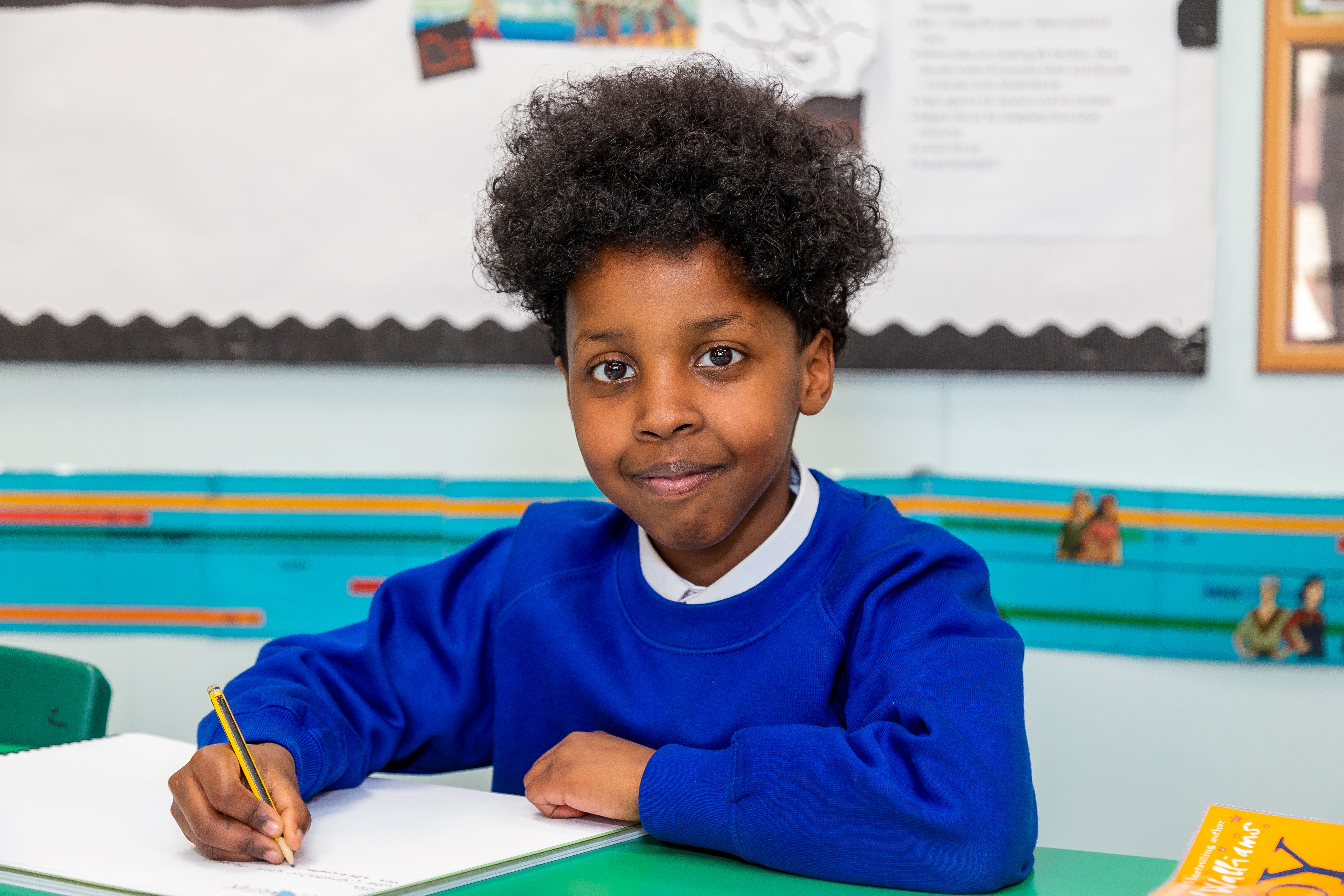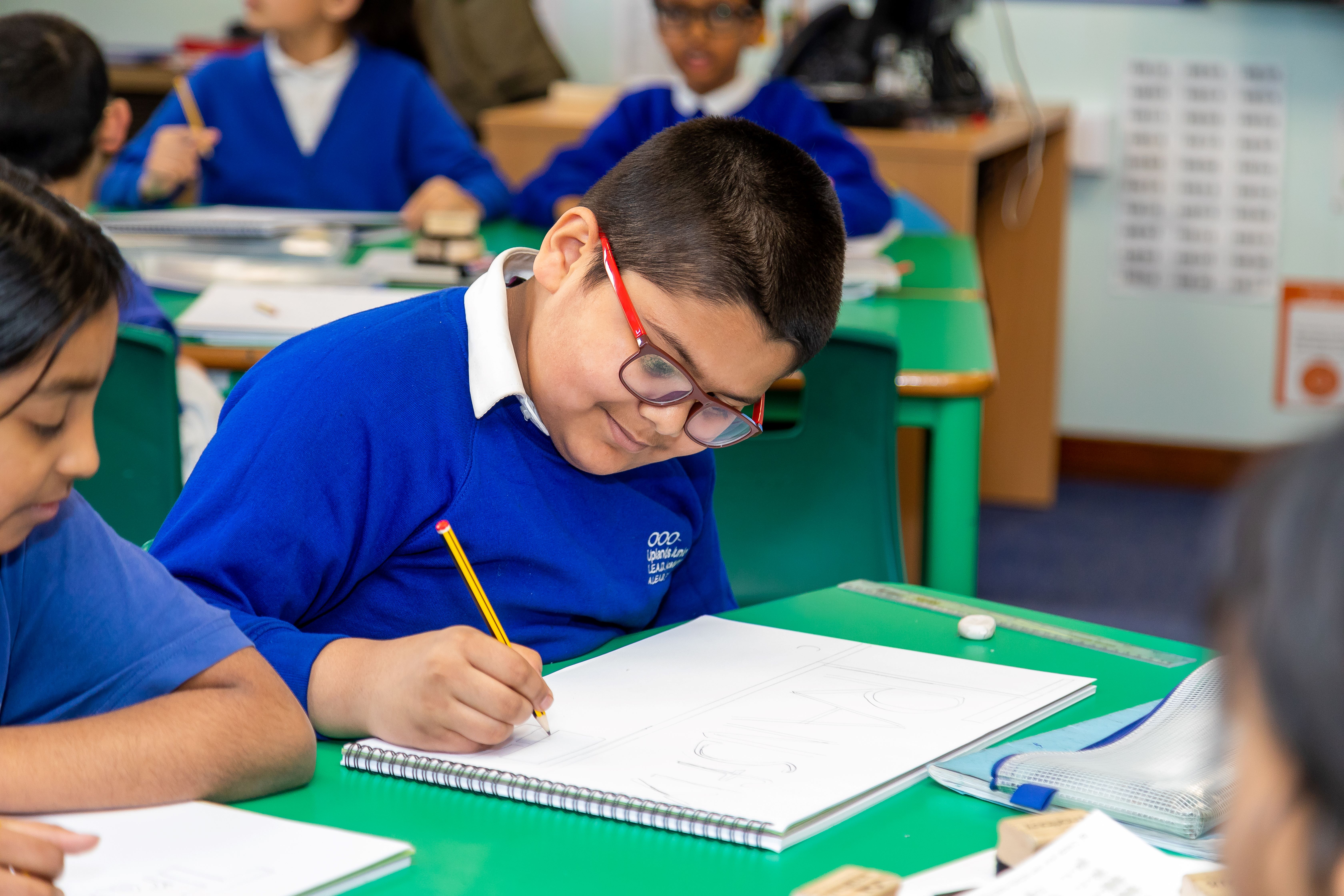
At Uplands, the writing curriculum is structured to allow children to become independent, fluent writers, communicating effectively across a range of genres and text types, and for a range of audiences. The writing curriculum incorporates high-quality texts and good examples of the text types (WAGOLLS), providing children a hook for writing. By undertaking this approach, children will naturally learn different sentence structures, be exposed to high quality language, learn the difference between formal and informal language, and develop reading fluency and comprehension skills. All children are expected to write independently in all independent writing sessions to ascertain their learning and understanding. Some writing may also be inspired by trips, film clips, visuals, or first-hand experiences.
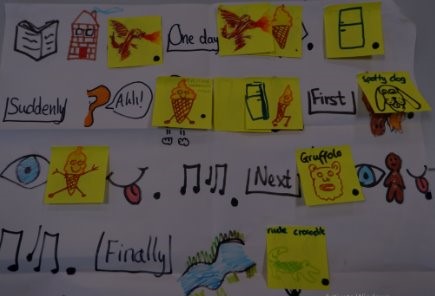
1. Imitation stage – the modelled text is presented to the children and is analysed for various aspects (including language, grammatical features and syntax). Text mapping is also conducted (drawing the text), which is read daily to immerse the children, so they become familiar with the text and language structures. Grammar lessons and short burst writing opportunities are taught at this stage too. These lessons are pertinent to the text’s requirements, and the National Curriculum’s statutory requirements. This stage ends with boxing-up the text into the relevant text structure.
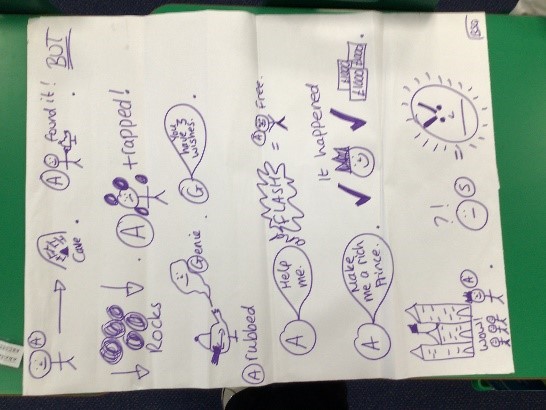
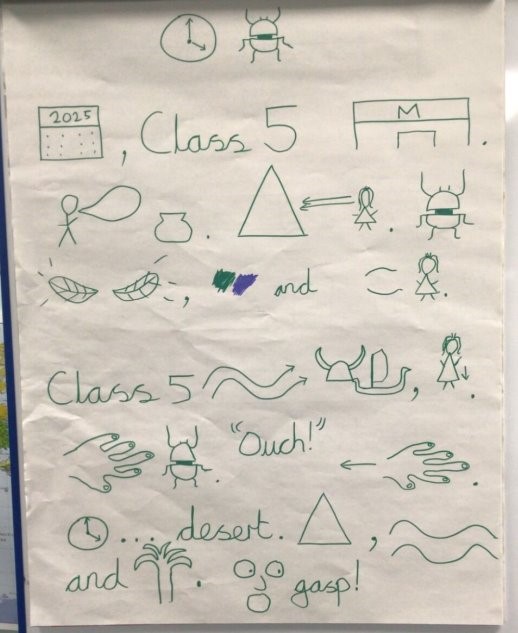
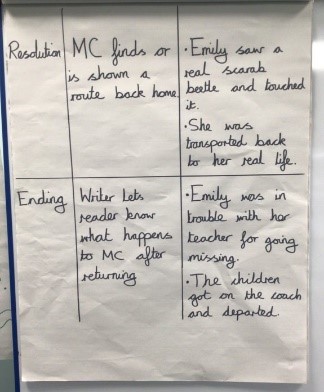
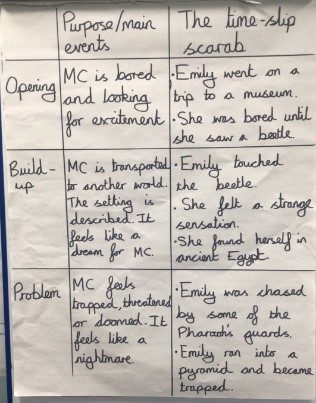
2. Innovation writing – parts of the model text is substituted/changed to create new content. This is a combination of I DO (teacher modelling) and WE DO (shared writing), following the model text’s structures and language. It must also include the grammar taught in step one.
The children then complete their own innovation by imitating the text using their own ideas and rewriting it. This helps them to use and include the model text’s language and structure. This is completed in various ways: post it-notes, redrawn to show the changes, boxing-up etc. Children orally rehearse their writing prior to writing. This writing is live marked to support cohesion and grammar.
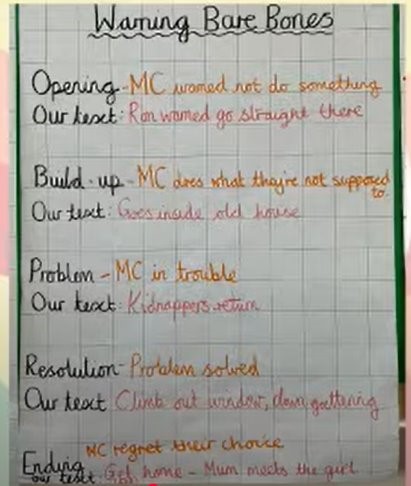
3. Once completed, each class teacher will then revisit and reteach any aspects their class need to improve on in preparation for their 2nd and independent attempt.
4. Independent writing – this is the YOU DO part: children plan a different content, but maintain the same structure, with oral rehearsal and strategies from step 2. Once written, their work is then assessed against year group expectations or BSquared documents for those working 2 years below their current year group. All children write independently. Word banks, sentence stems and statuary word lists can also be used in this stage of writing.
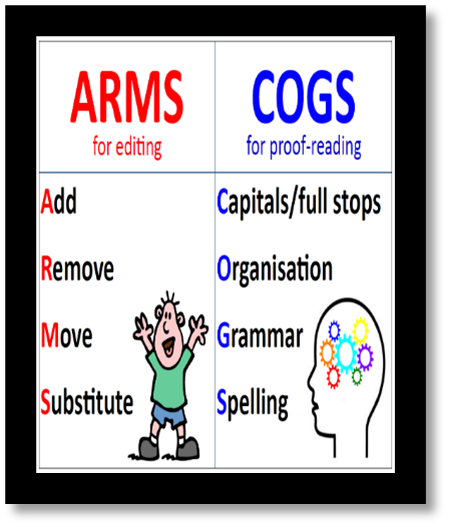
5. Proofreading lesson and editing lessons – At the end of each innovation and independent stage of writing, children proofread and edit their work either independently or with a peer using the COGS and ARMS approach.
The children then complete their own innovation by imitating the text using their own ideas and rewriting it. This helps them to use and include the model text’s language and structure. This is completed in various ways: post it-notes, redrawn to show the changes, boxing-up etc. Children orally rehearse their writing prior to writing. This writing is live marked to support cohesion and grammar.
Grammar lessons– grammar knowledge pertinent to the text type are taught in engaging and meaningful ways, and then applied in independent writing sessions. Each year group develops grammar teaching from the previous year, as well as introducing new grammar knowledge relevant to the year group as per the National Curriculum’s statutory requirements. Within this, children will read and analyse WAGOLLs. This stands for ‘What A Good One Looks Like’. These are model texts which the children annotate for grammar, language and features of that text type. The purpose and audience are discussed too.
Toolkits: these are created with the children, discussing the grammar feature of the text type and their impact on the reader with examples from the WAGOLLs.
Transcription skills: These are taught explicitly in separate lessons.
Handwriting is taught regularly following the handwriting policy. We use Letter-Join font from the online platform Letter-Join. Video visuals help support accurate letter formation. There is a wealth of games and resources which can be used. This programme can be accessed at home via the Parent > Home Learning tab. Each week, the class teachers will award a child who has demonstrated good handwriting and presentation that week.
For spellings, we follow the ‘No Nonsense Spelling’ scheme which is taught twice a week. It follows a ‘Teach, Practise, Apply’ method. This approach supports the learning and application of the National Curriculum statutory spellings for years3&4 and 5&6 and spelling rules. Spelling tests are weekly and follow a sentence dictation approach testing 5x No Nonsense Spelling words. Children write the whole sentence as part of their test. Some children may have words from Key Stage 1 or from their phonic stage, but they will be within a dictated sentence of words they are familiar with. Each child is provided with a Spelling Record where they write their weekly spellings. They must then practice/copy these words daily at home as part of their homework
Interventions
BSquared – This is for children who need additional support. It is a scheme whereby children’s individual needs are met via a series of tasks and activities designed to enhance their learning quickly via repetition until they are secure.
Colourful Semantics – This is a scheme to help support children to develop grammatically correct sentences. It progresses in stages developing from 2 words up to 4+. Each part of the sentence is colour-coded to help them remember certain parts of the sentence.
Fine motor skills – this is where children conduct activities to aid writing precision and letter formation. Squeezing Play-Doh to strengthen finger/hand muscles, cutting skills, tracing lines, patterns and letters, and pencil control is all part of this intervention.
Each week, we celebrate the achievements of our pupils by awarding ‘Handwriter of the week’ to a pupil who has worked very hard to improve and develop their hand writing.

It makes us so proud to see the progress pupils make each week with their writing.