We welcome parents and carers to visit us so you can explore our school, meet our dedicated staff, see lessons in action, ask questions and discover why families choose Uplands L.E.A.D. Academy.
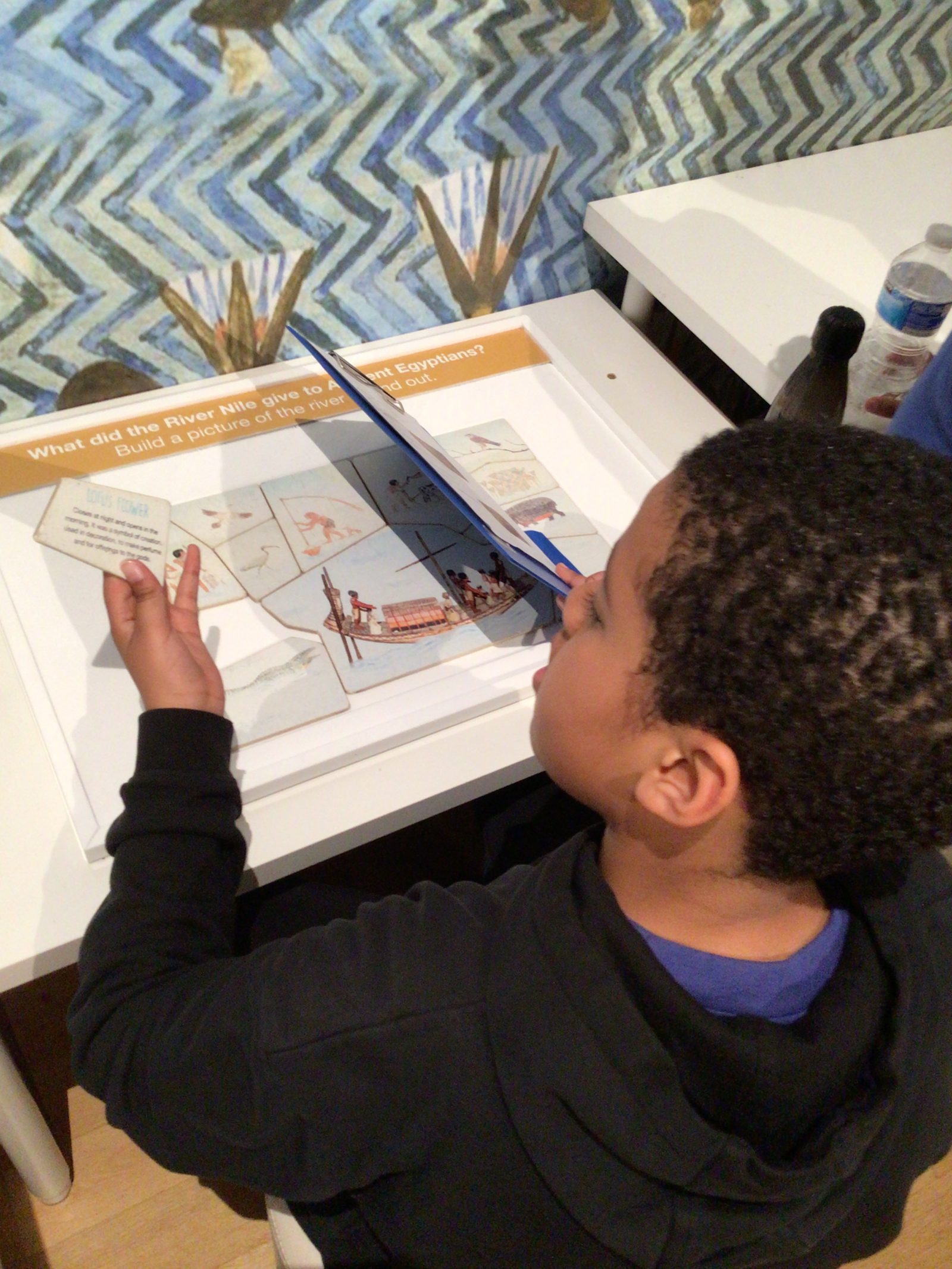
History at Our School
At our school, we aim to inspire a curiosity and love of learning about the past. Our History curriculum is designed to help children understand how the world has changed over time, whilst developing key skills such as questioning, analysing evidence and thinking critically.
Key Strands of Learning
Our History curriculum is built around three key strands:
These strands run throughout the curriculum, ensuring children build a broad and balanced understanding of the past.
History subject overview
Year-3-Knowledge-Organisers
Year-4-Knowledge-Organisers
Year-5-Knowledge-Organisers
Year-6-Knowledge-Organisers
In both Lower Key Stage 2 (Years 3 and 4) and Upper Key Stage 2 (Years 5 and 6), children follow a carefully structured sequence of historical study.
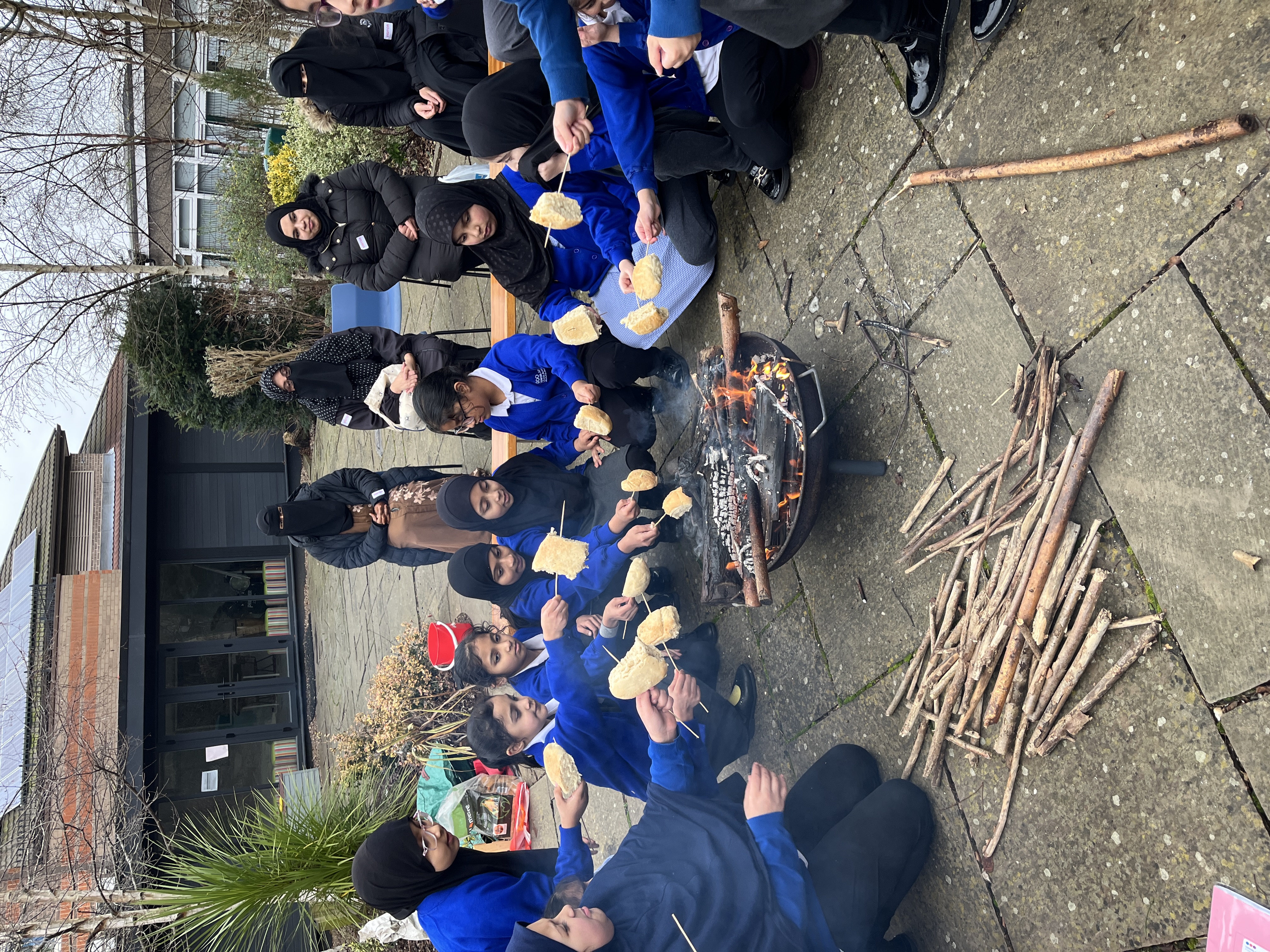
We begin by exploring early civilisations, helping children understand how communities formed, developed and overcame challenges. This builds a strong foundation in chronology and introduces children to the idea of human achievement over time.
From this foundation, learning becomes more focused. Children investigate key periods and events in greater depth, developing their ability to think critically about the past.
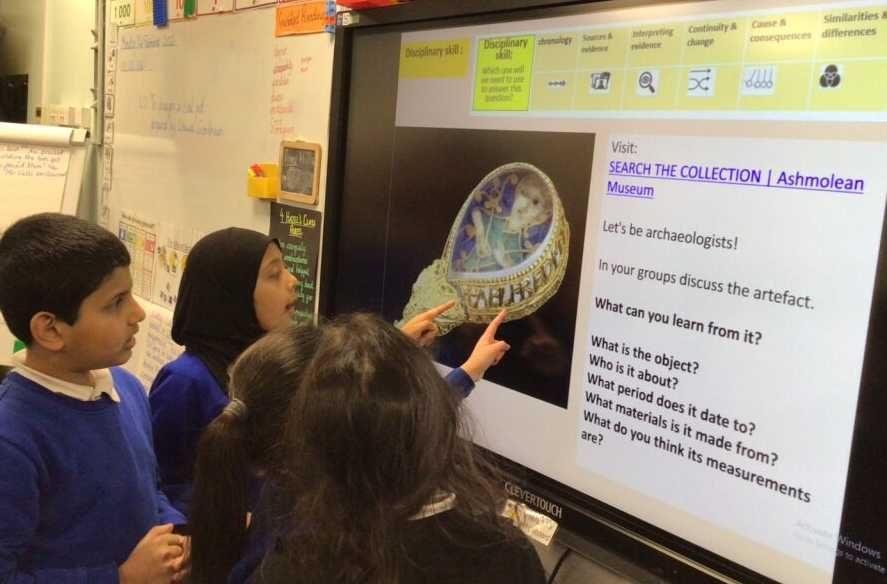
As children move through the school, they develop increasingly advanced historical thinking skills.
Children build their skills across the following key areas:
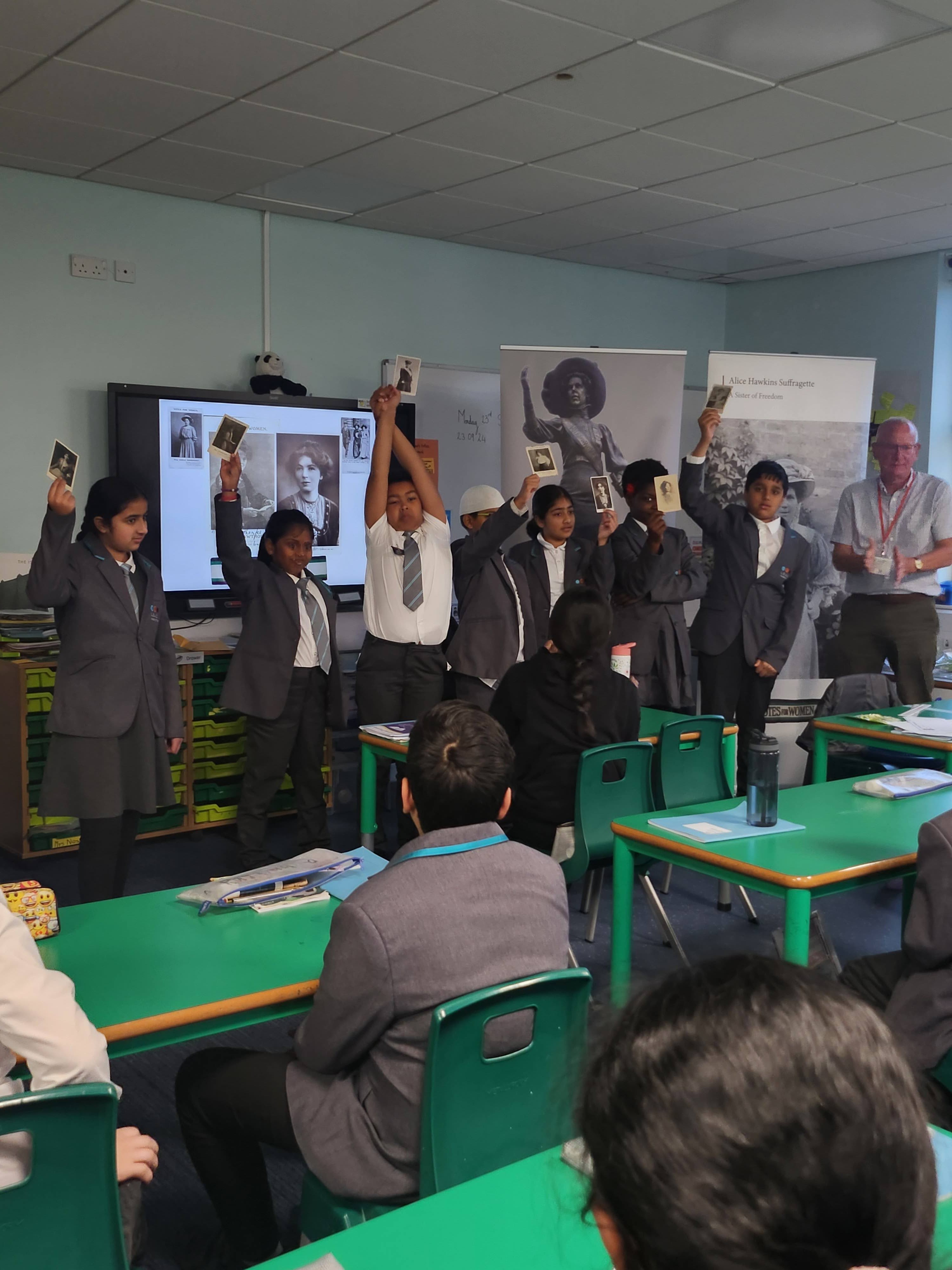
Our pupils love exploring history and regularly share their enthusiasm for learning about the past:
“I like history because you get to find out about how people lived before us. The Stone Age was really interesting!” – Year 3 pupil
“Learning about the Romans was fun because we found out how they invaded Britain and what they changed.” – Year 4 pupil
“I enjoyed learning about Ancient Egypt because we got to see how it links to other civilisations.” – Year 5 pupil
“History helps me understand why things are the way they are today. I really liked learning about World War II.” – Year 6 pupil
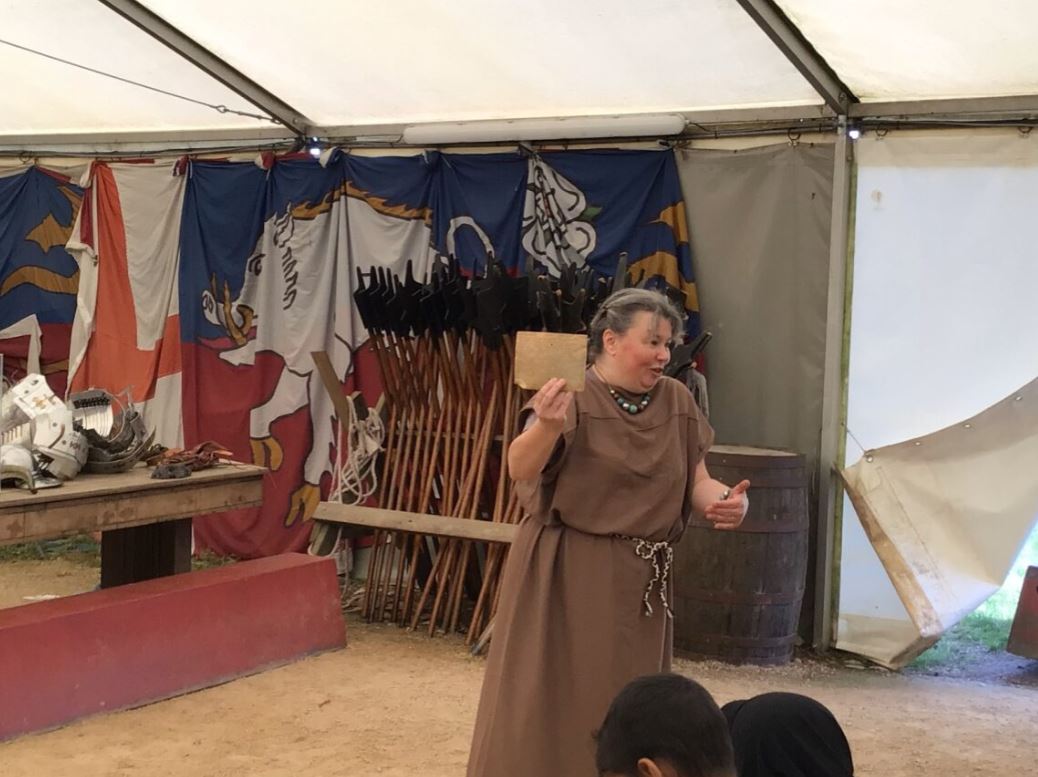
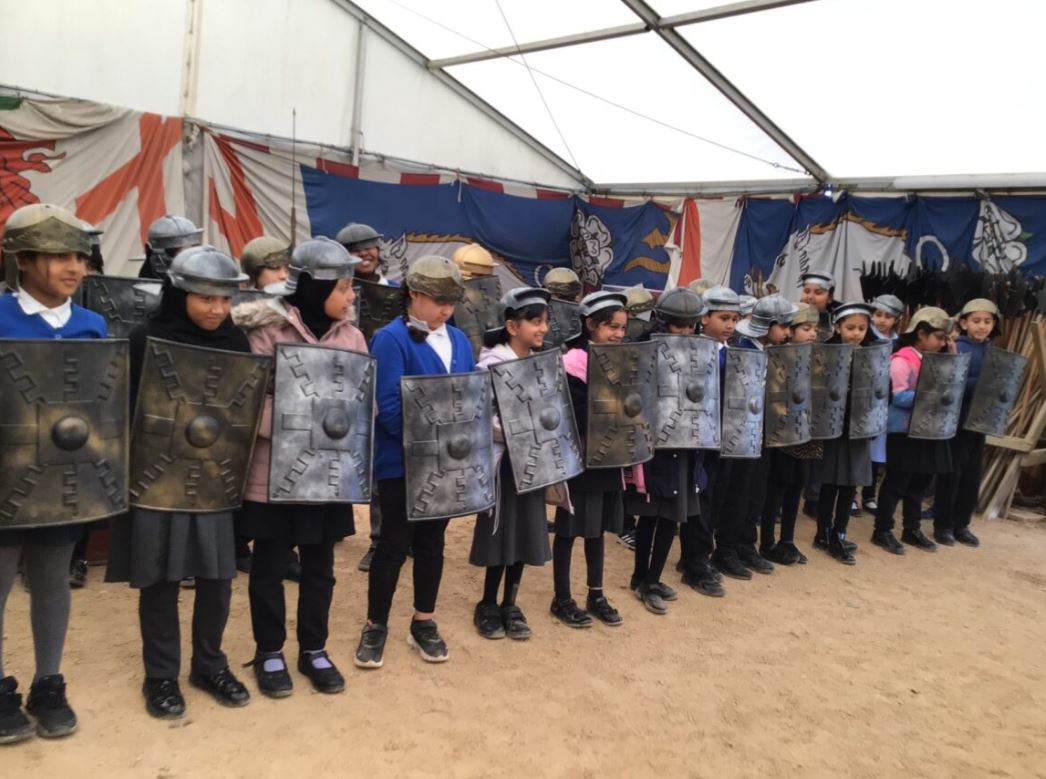
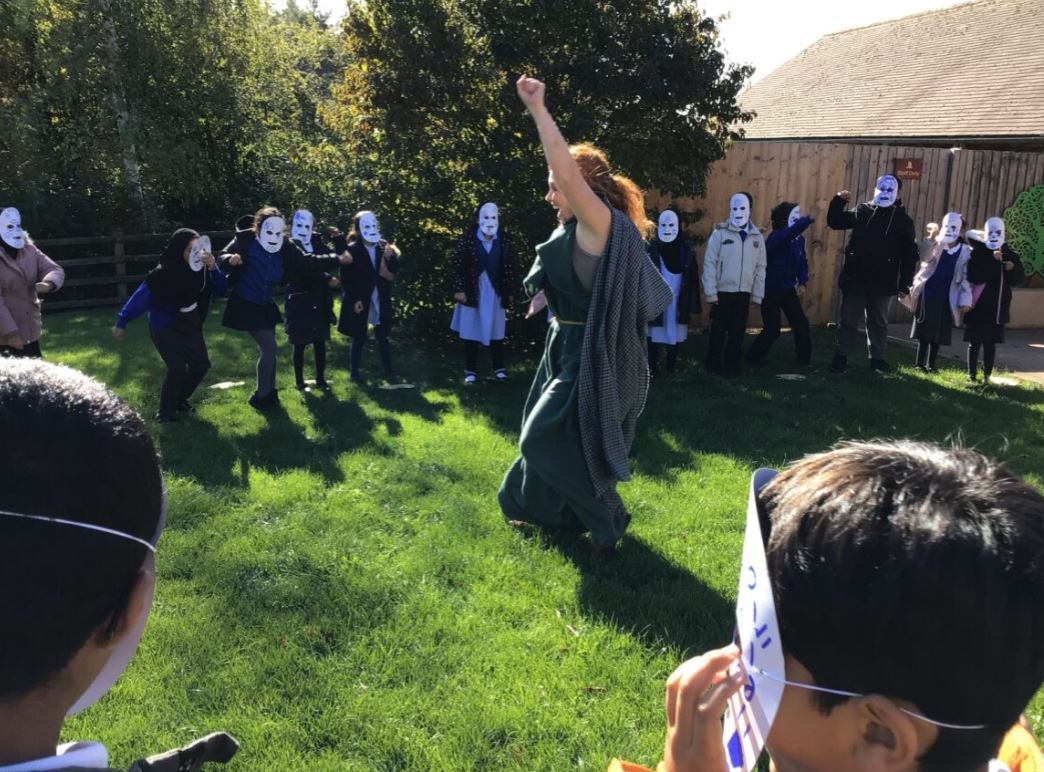
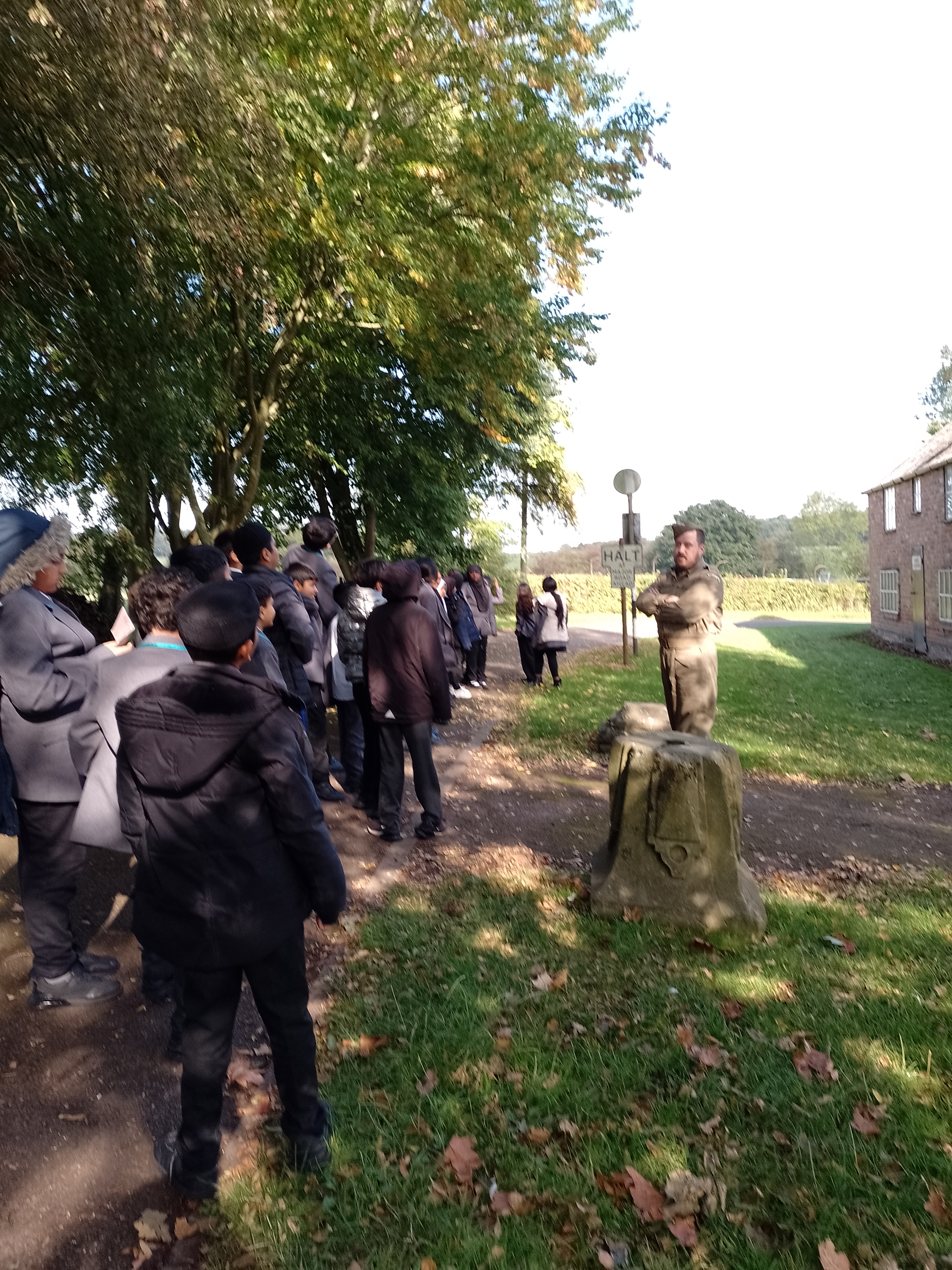
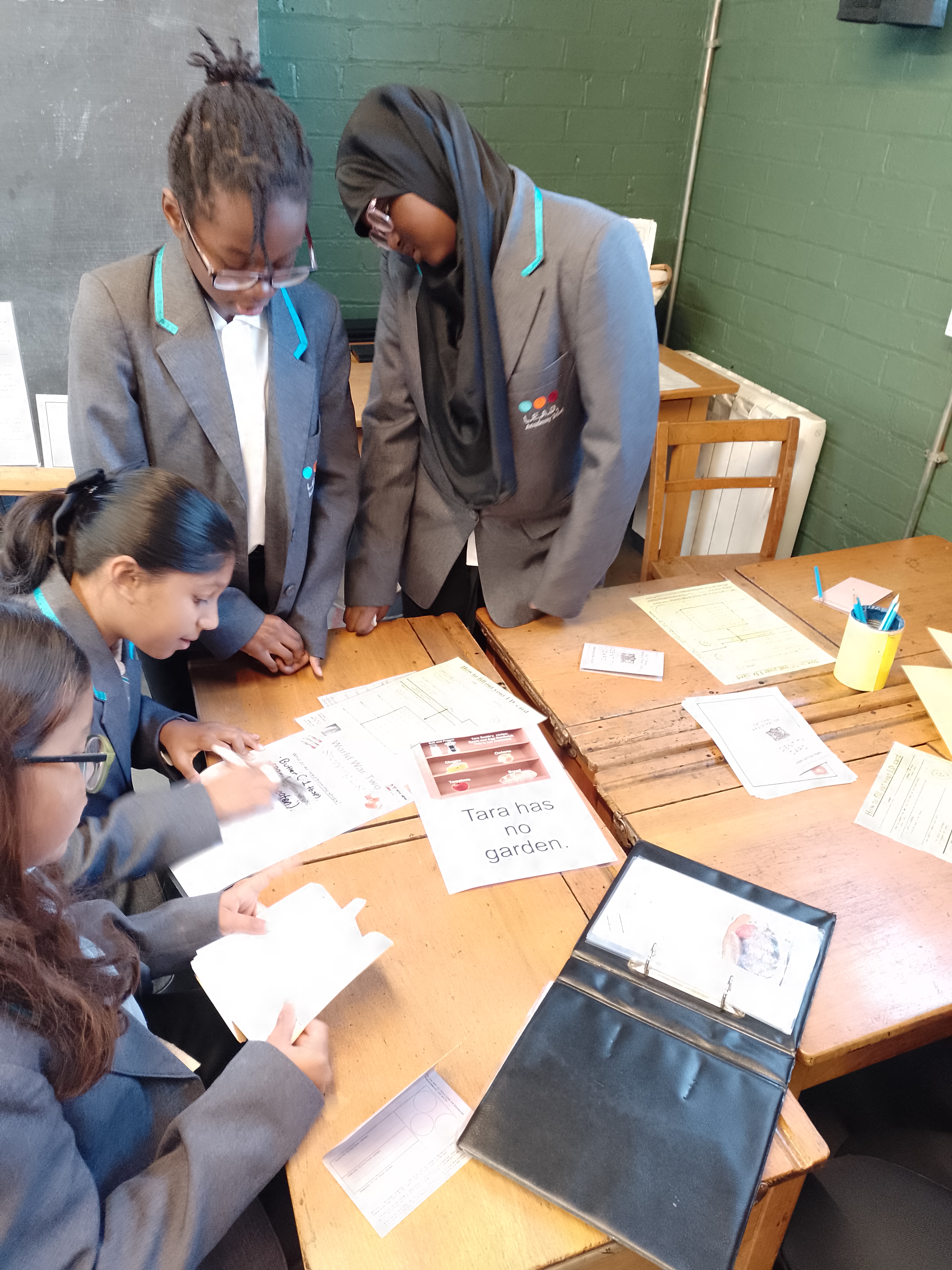
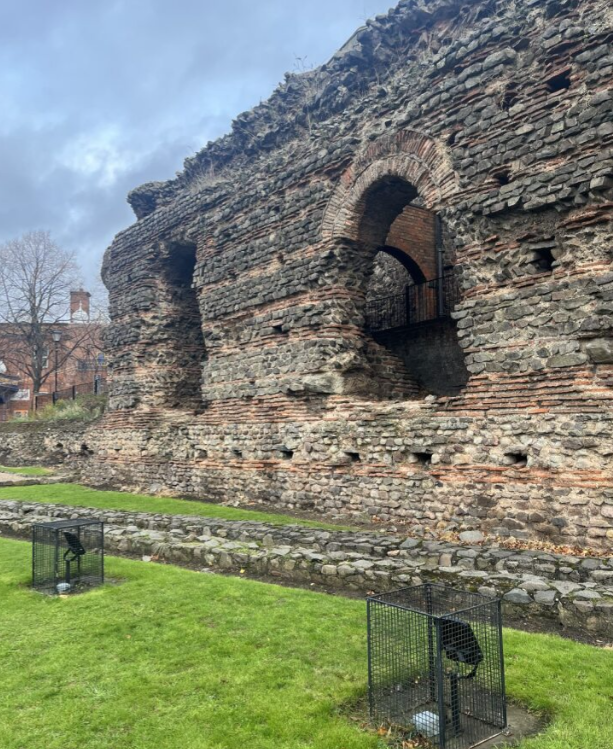
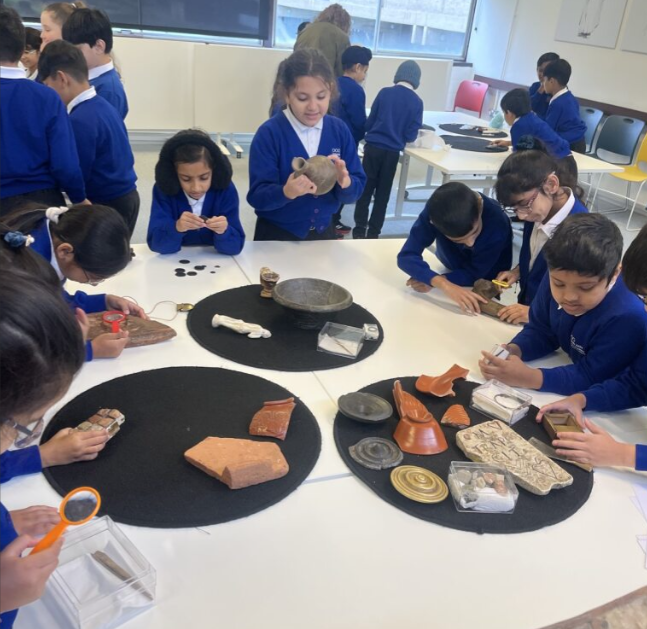
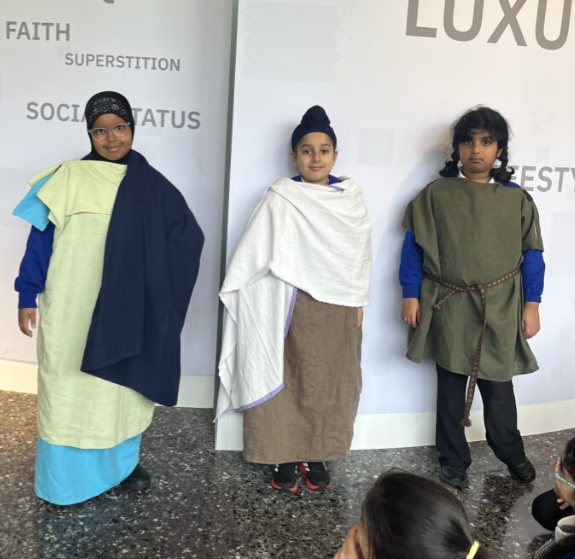
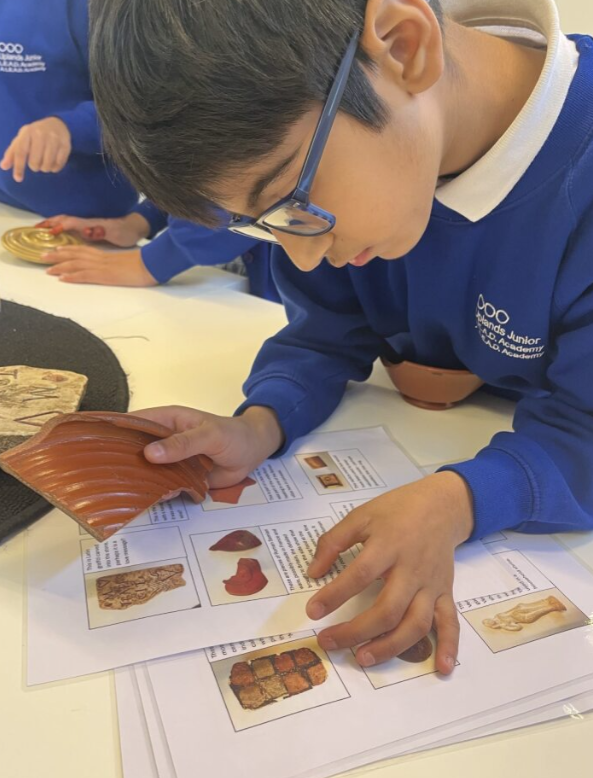
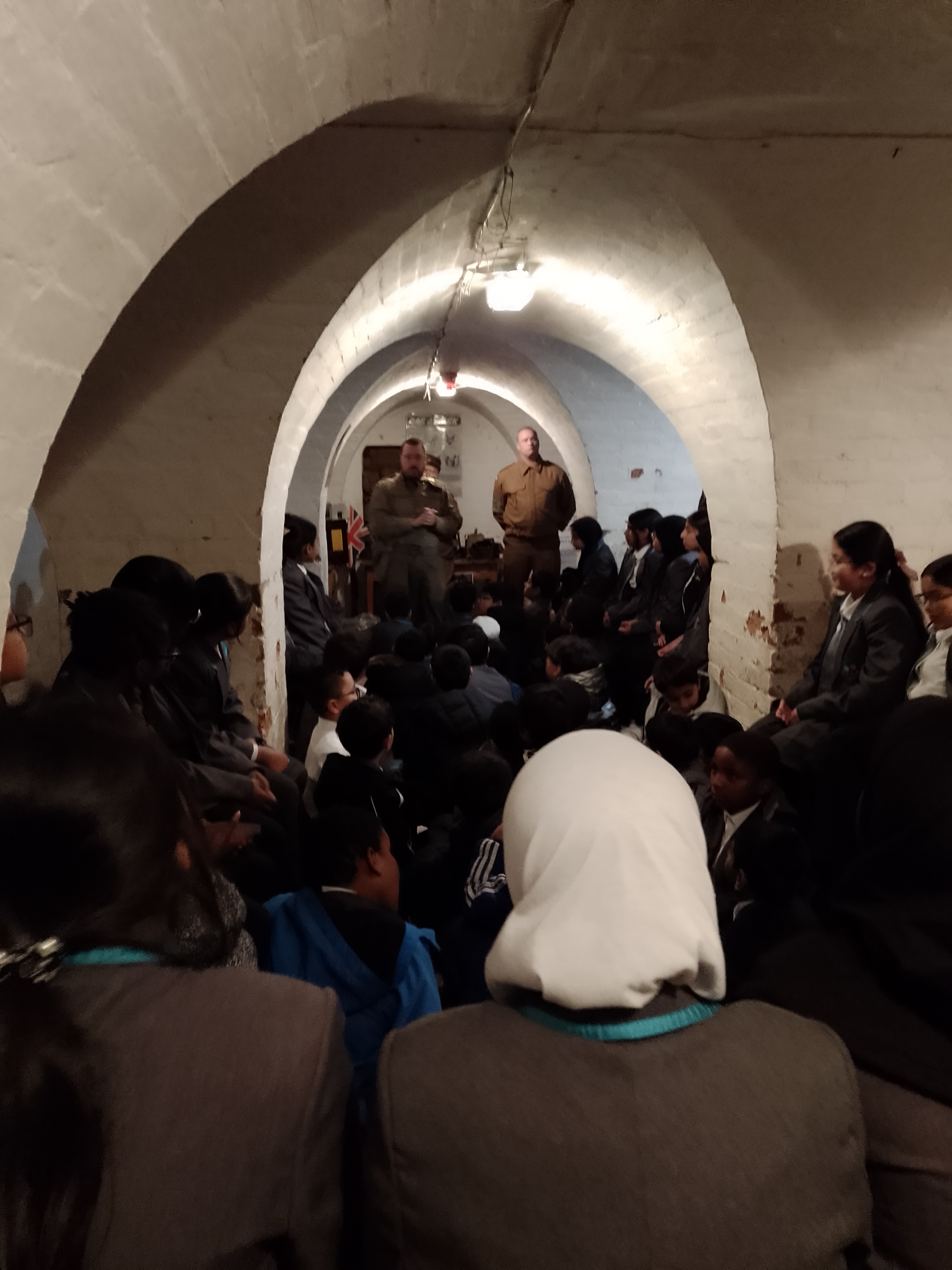
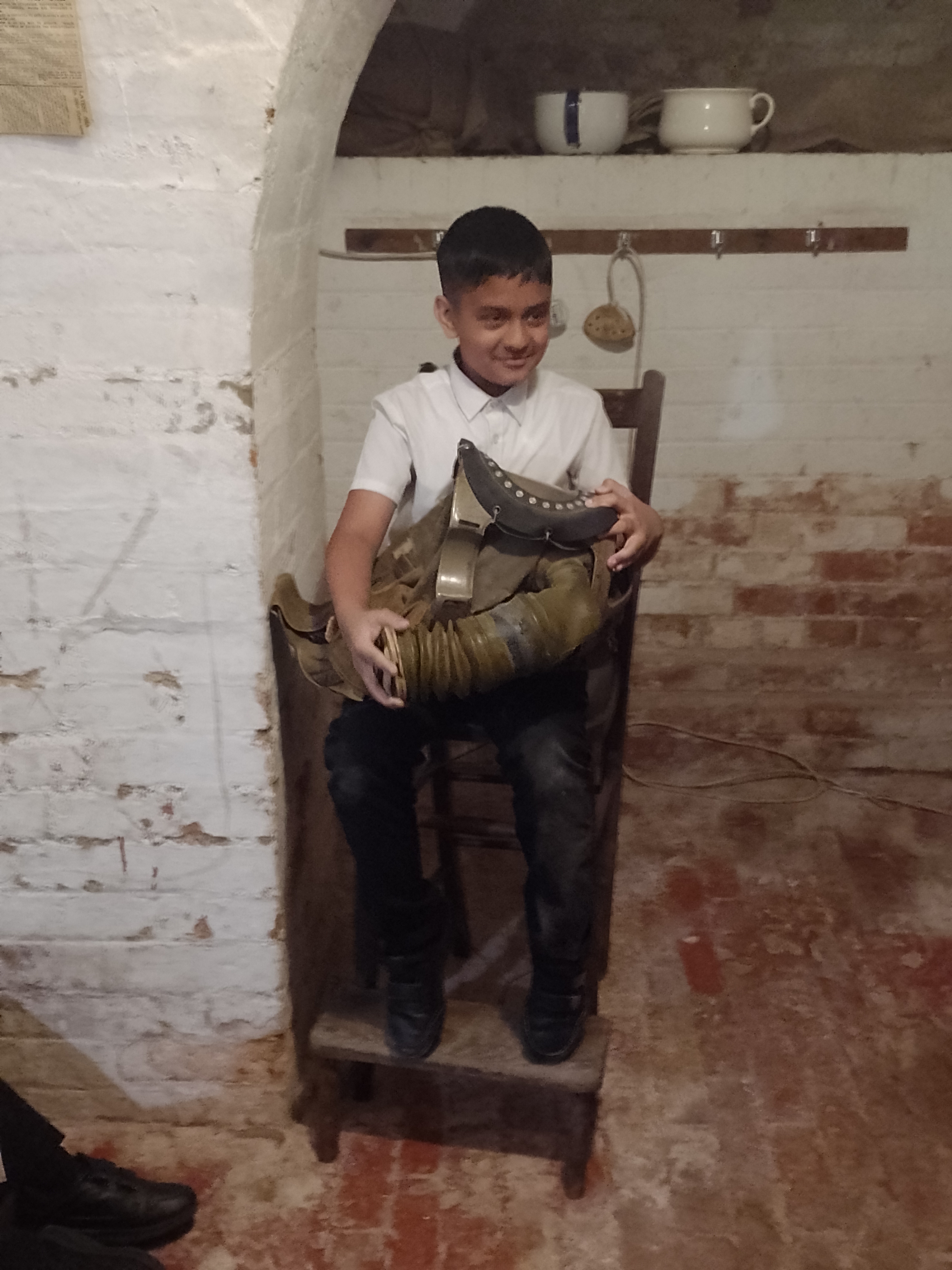
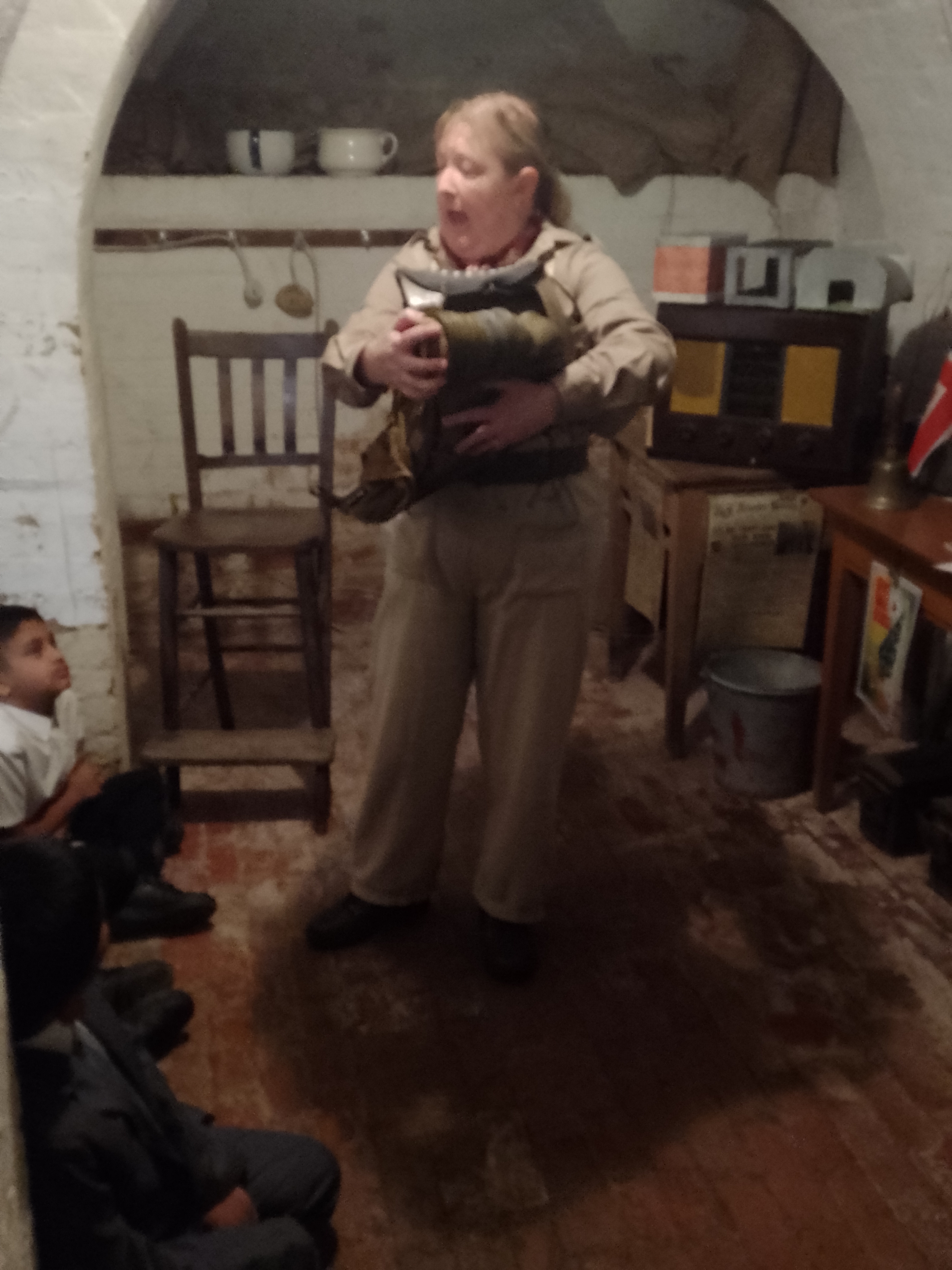
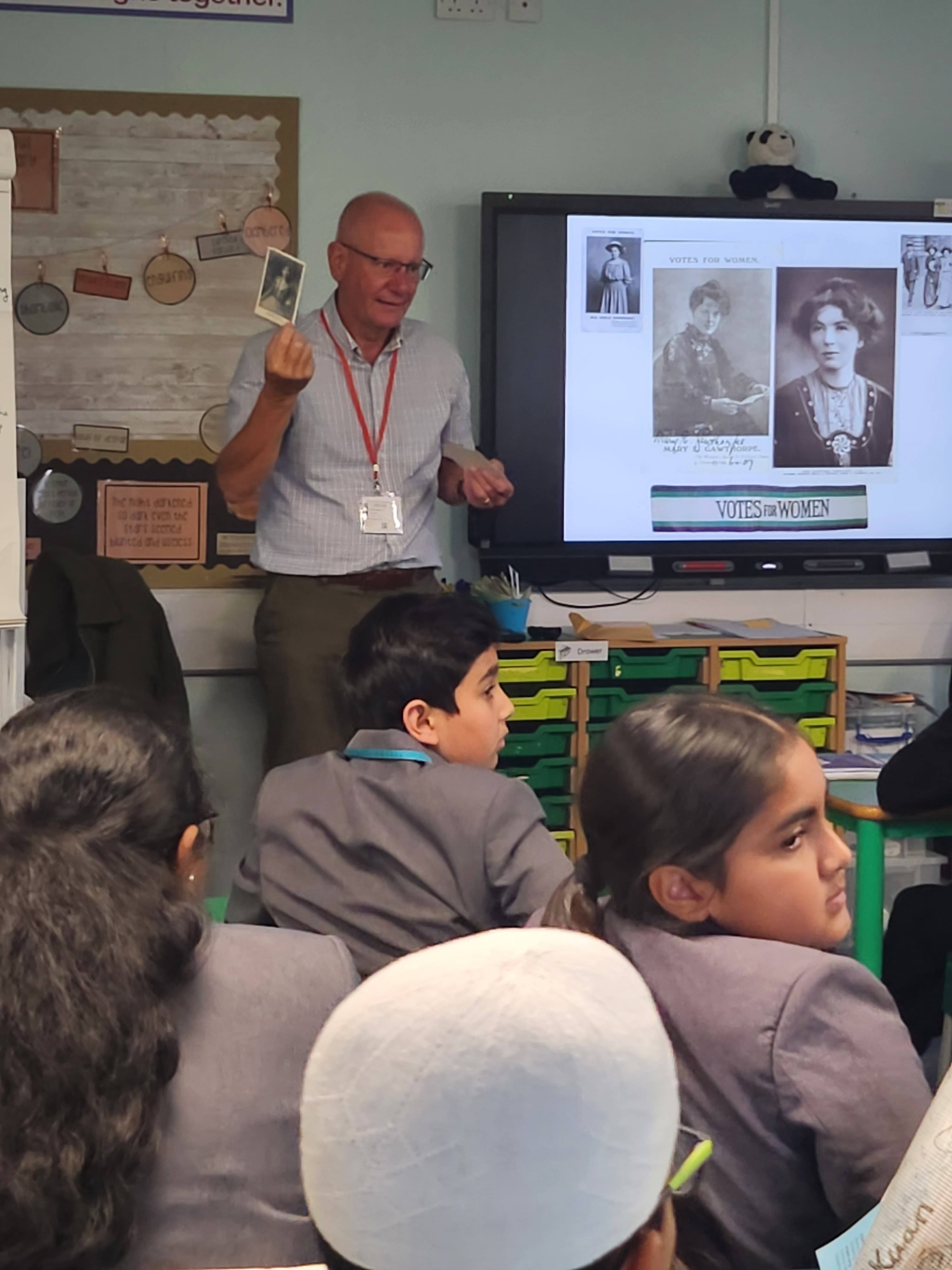
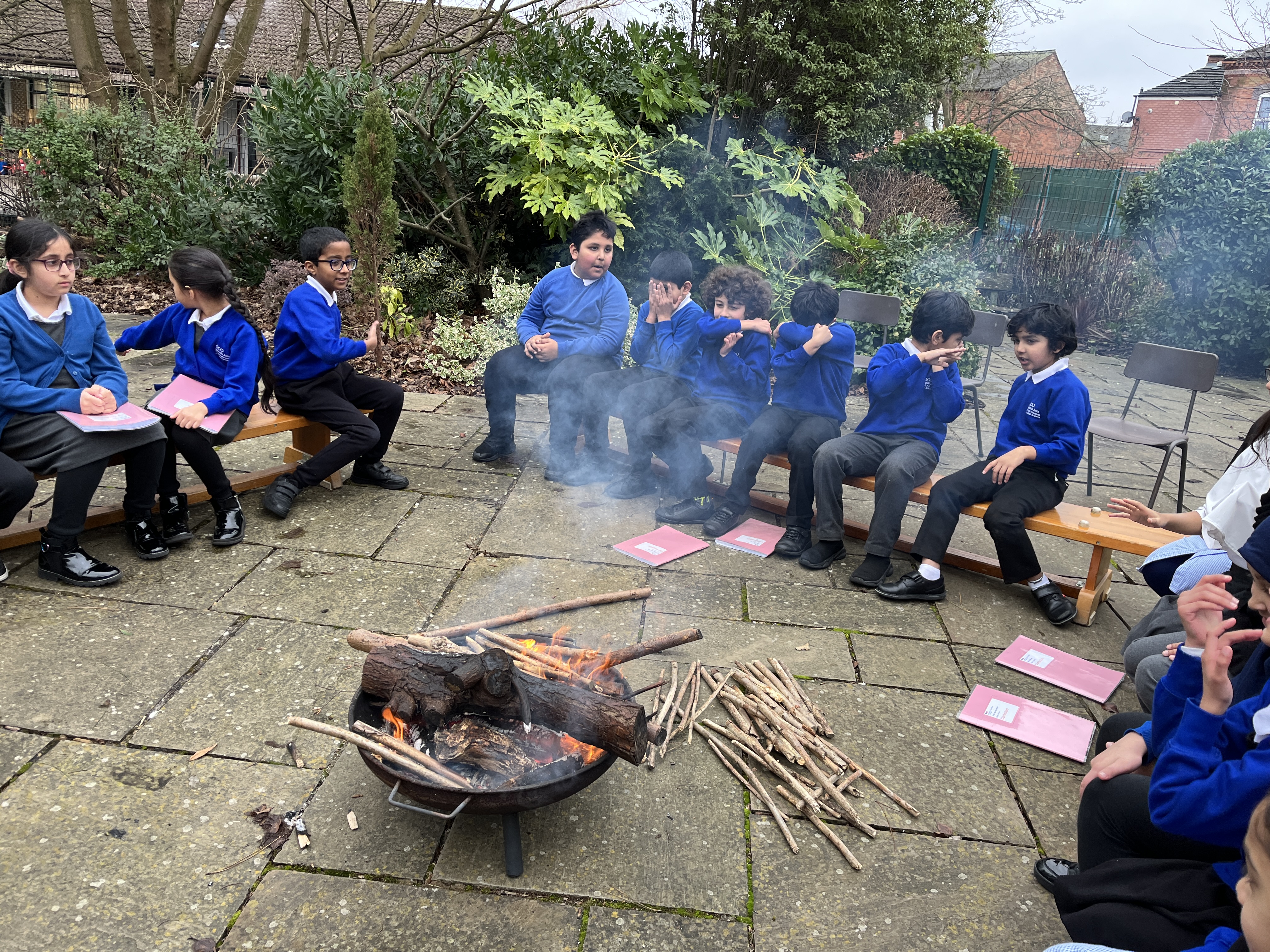
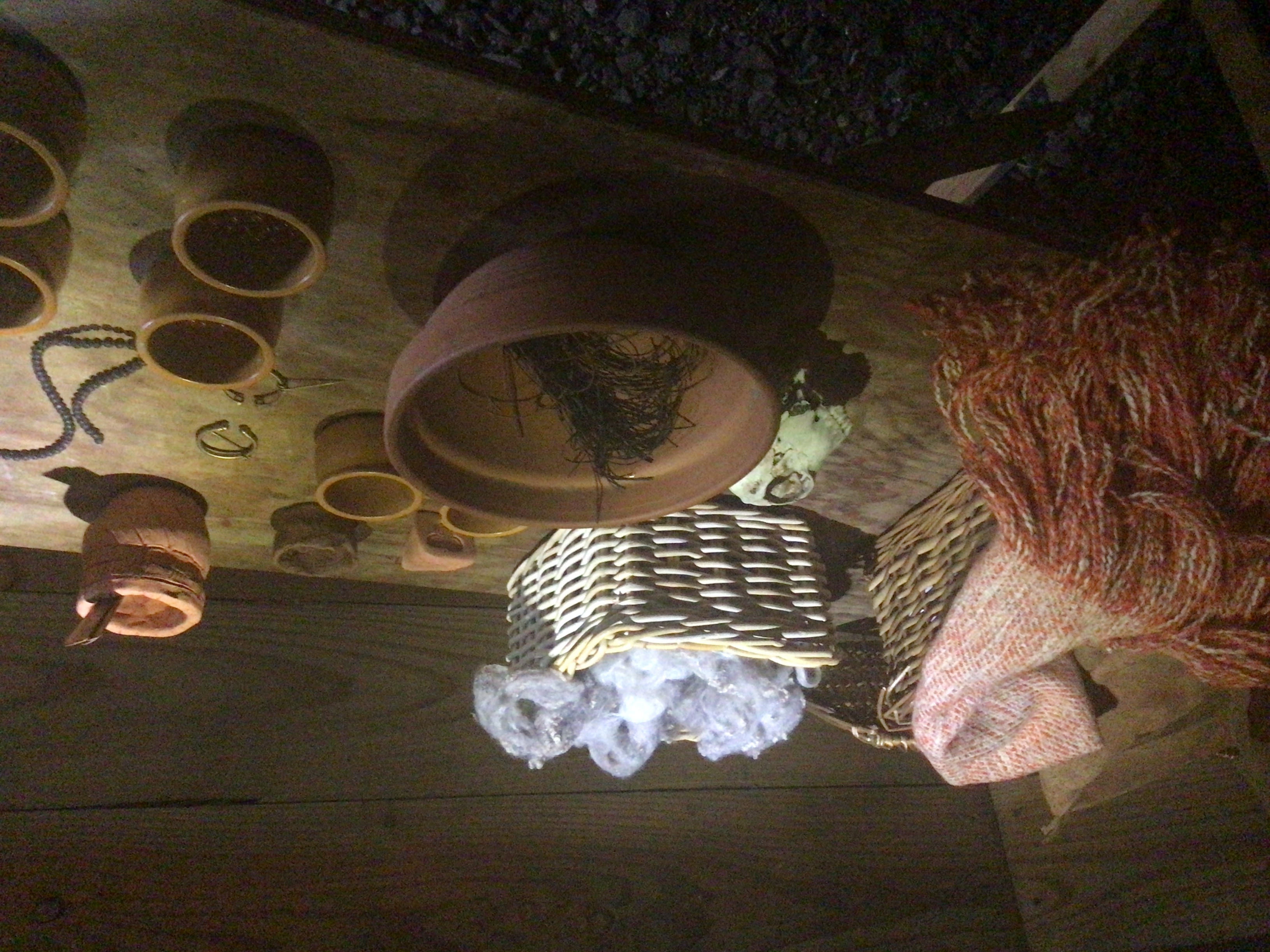
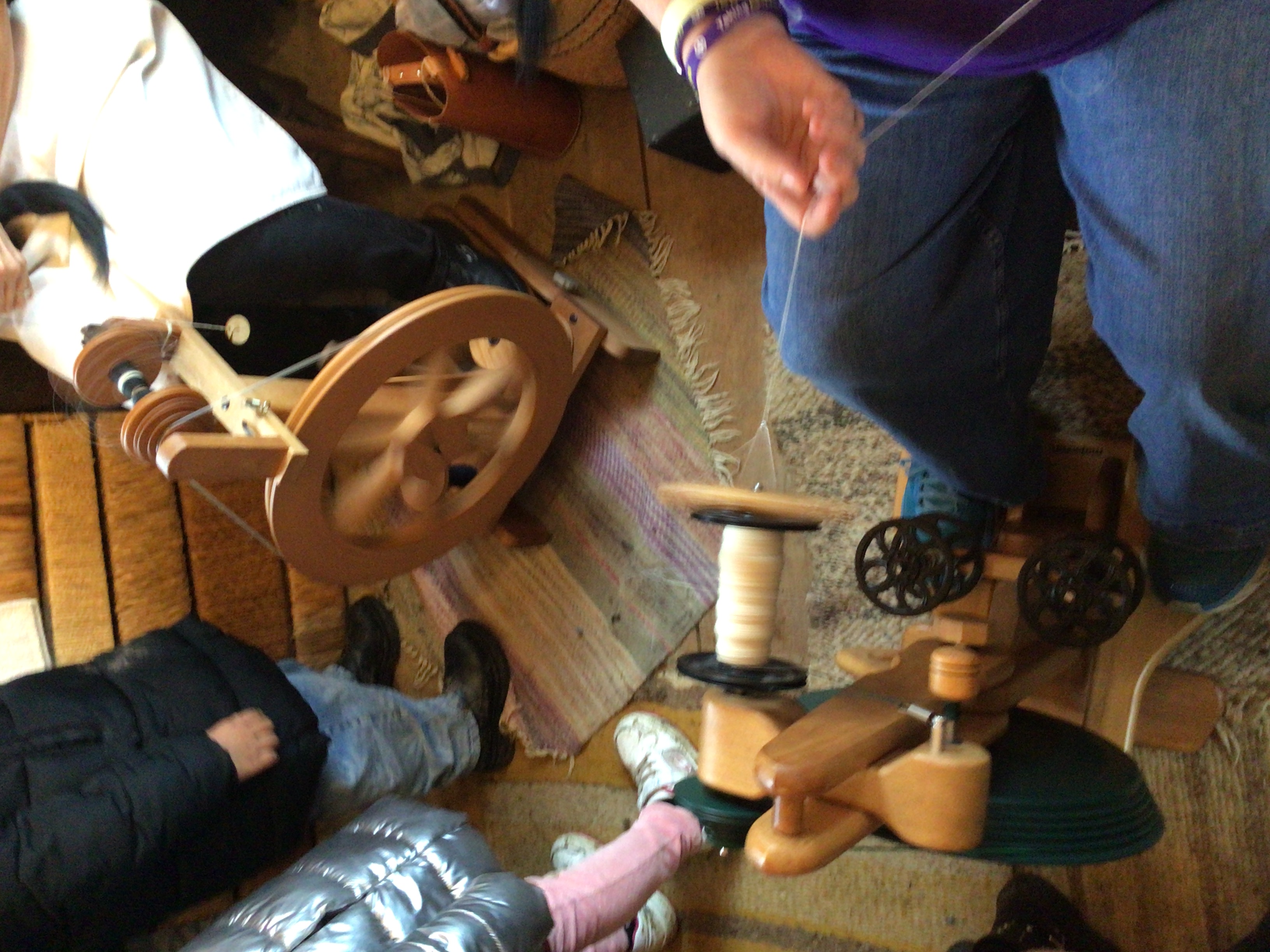
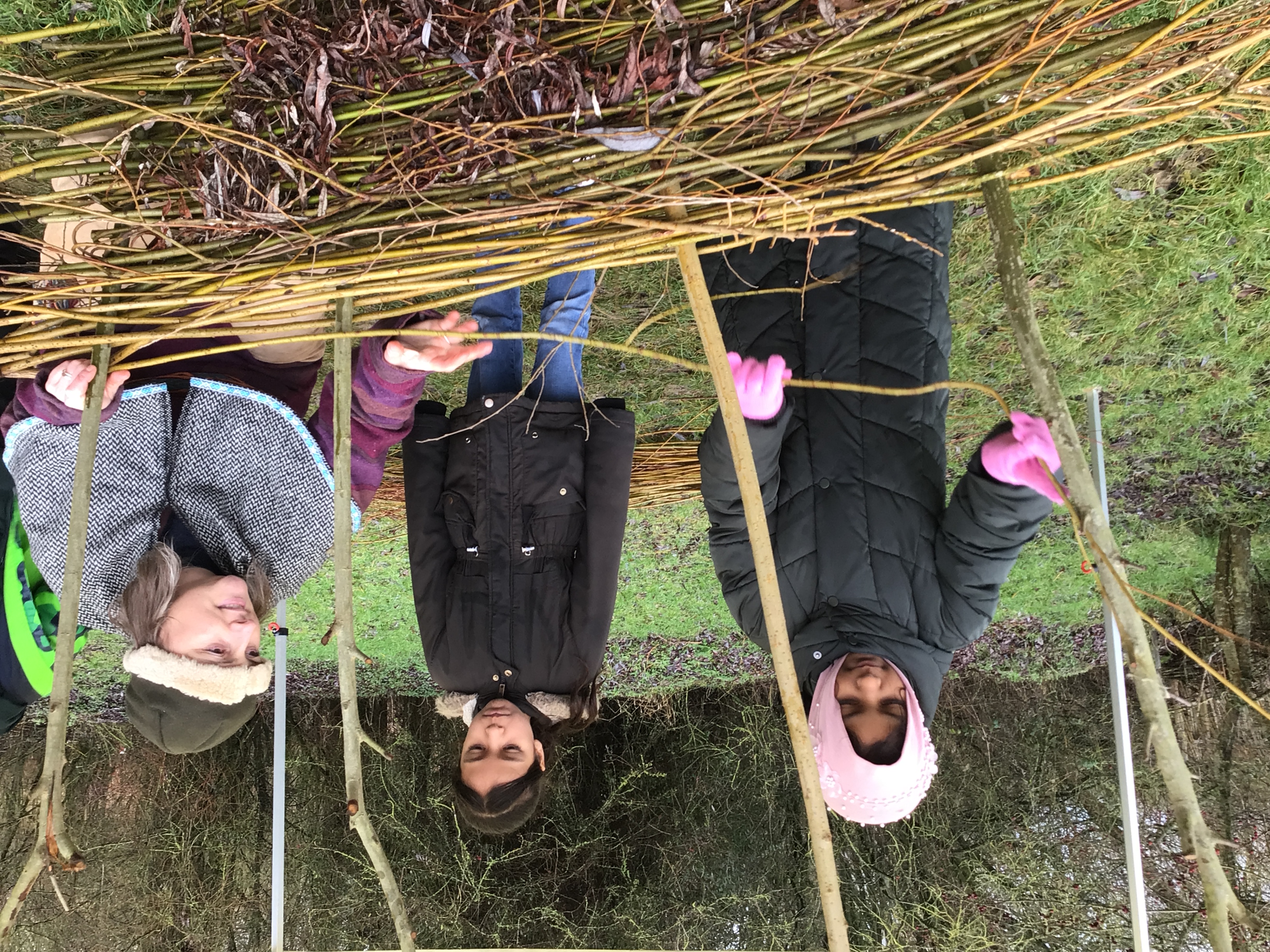
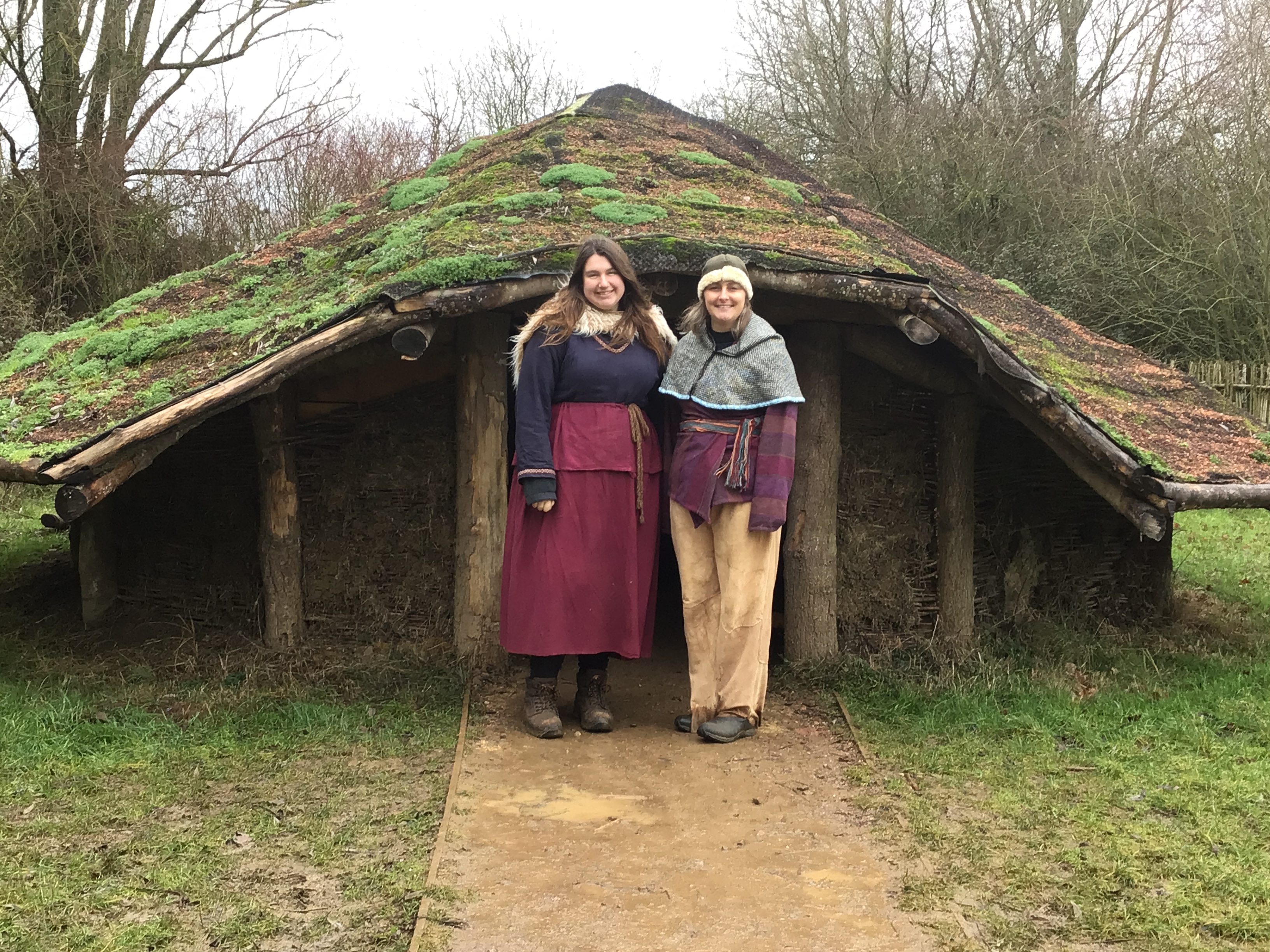
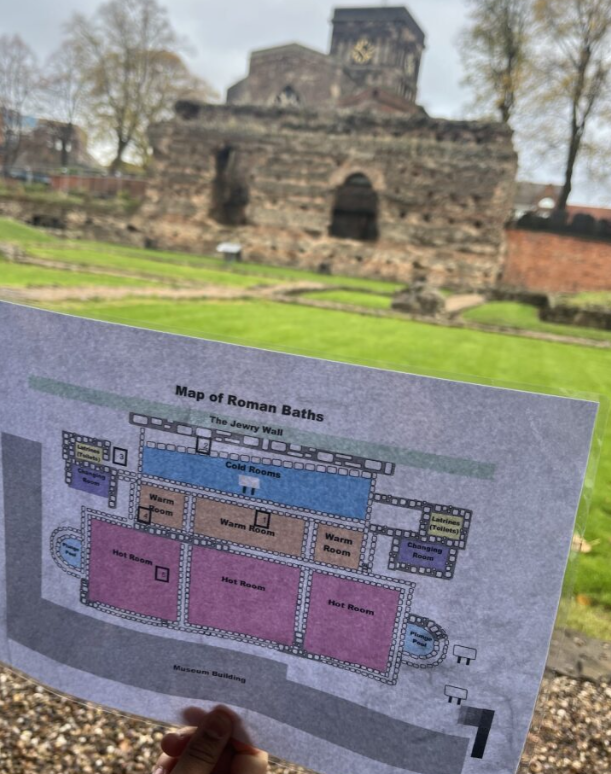
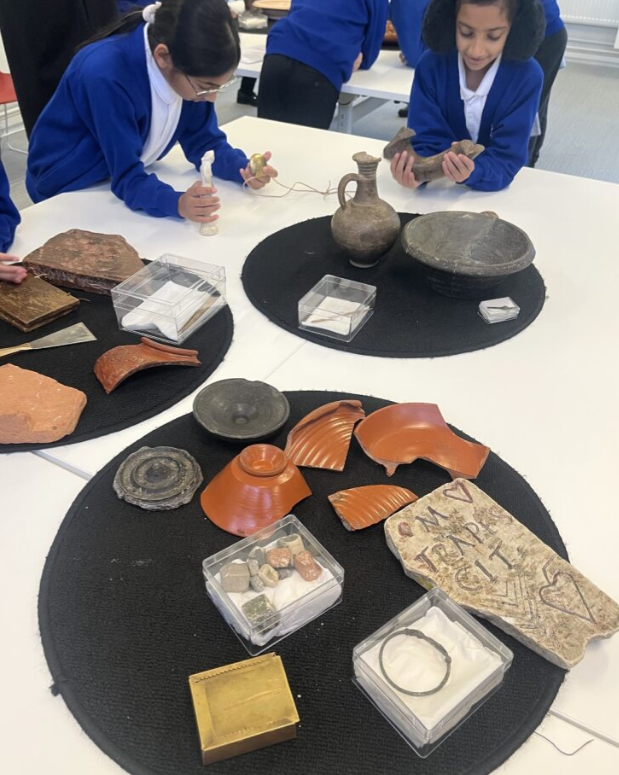
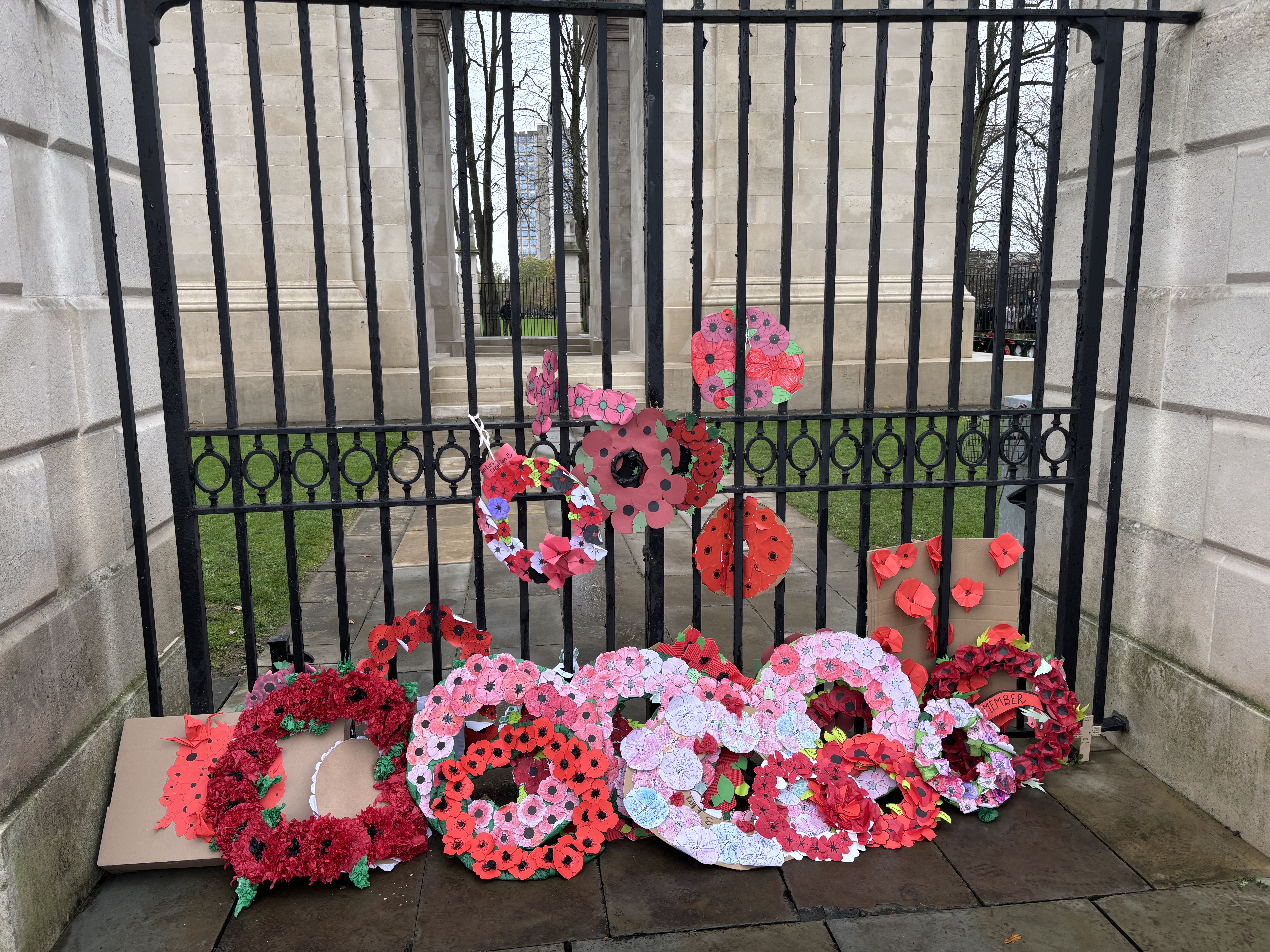
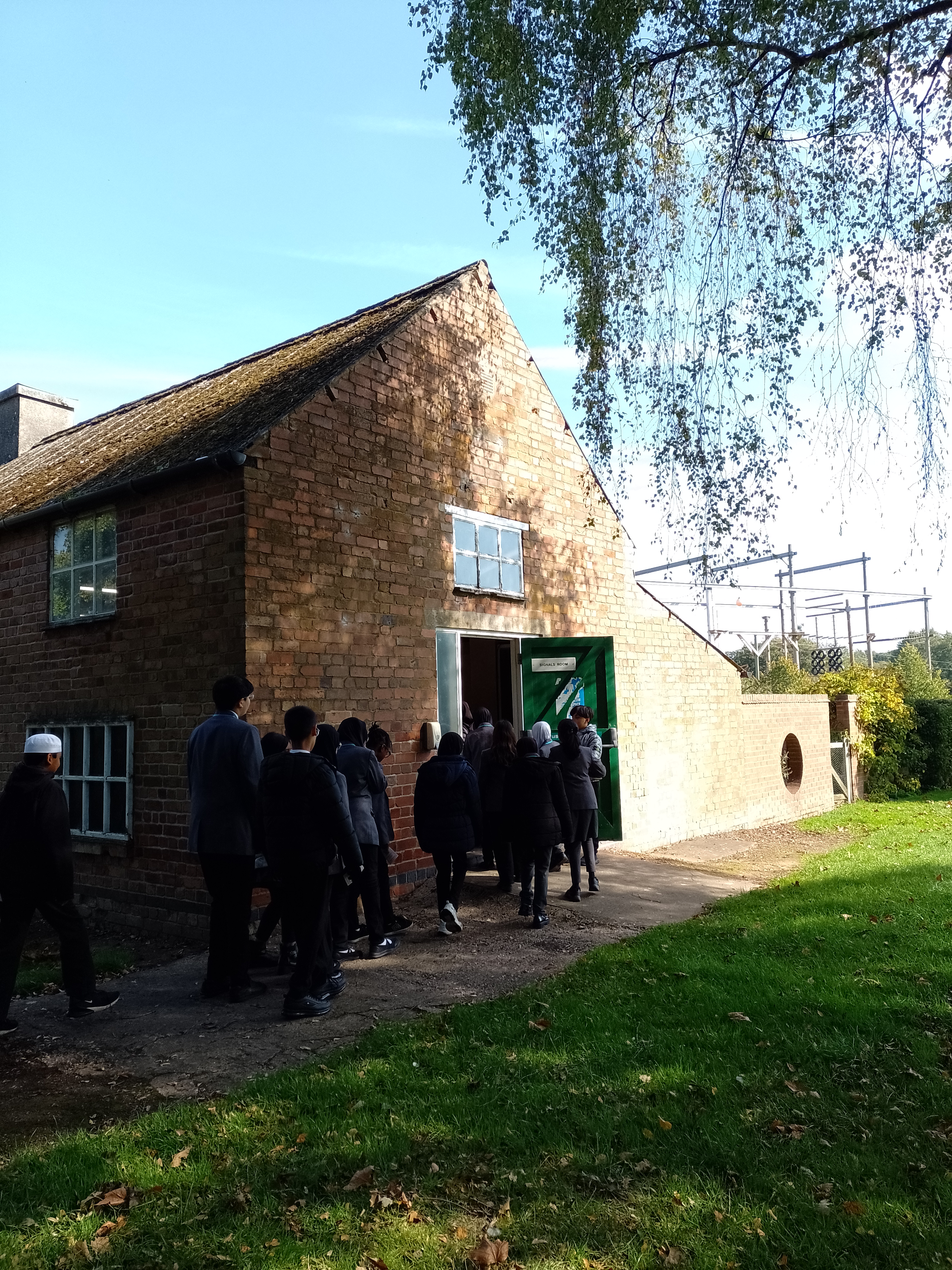
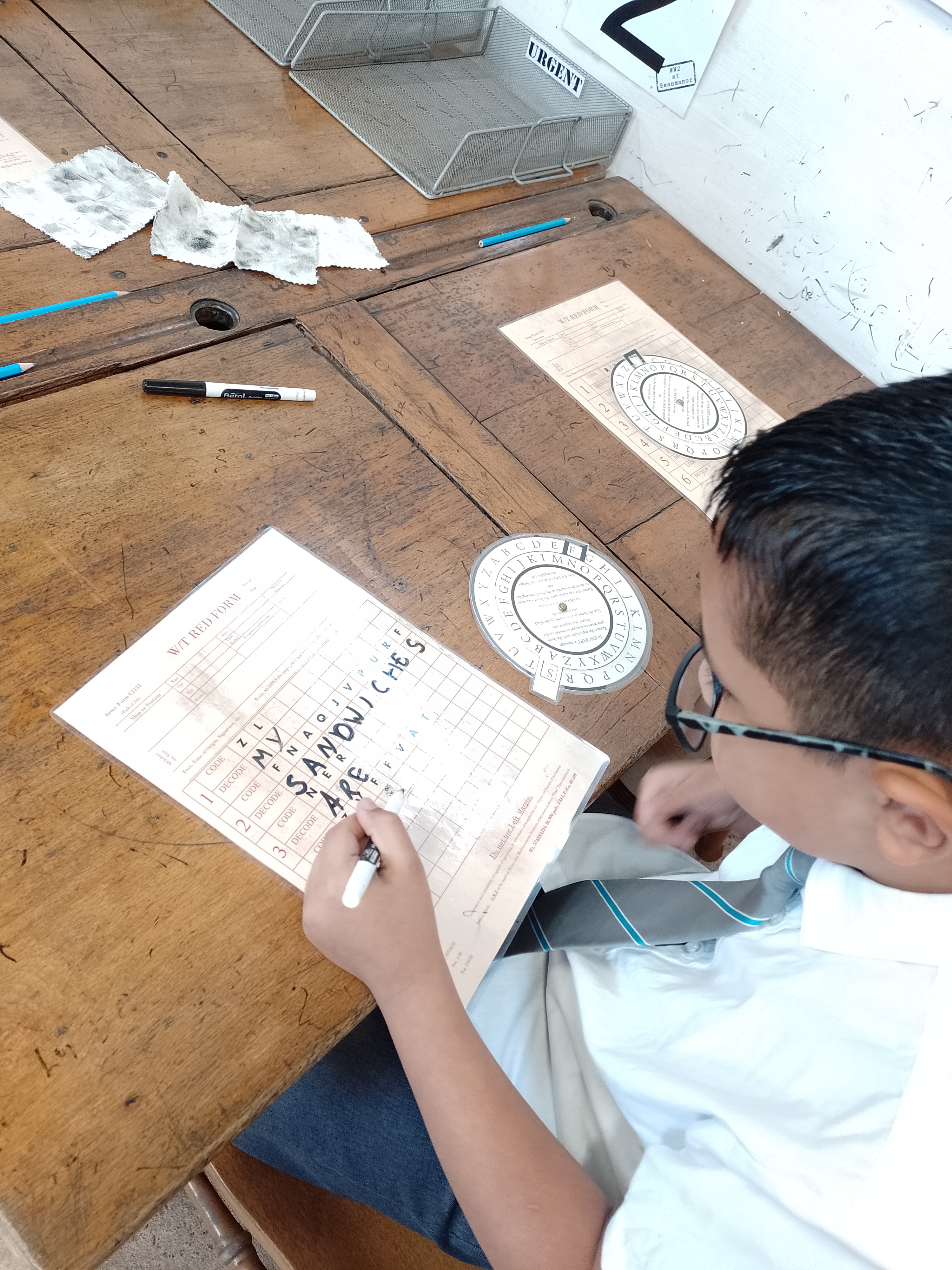
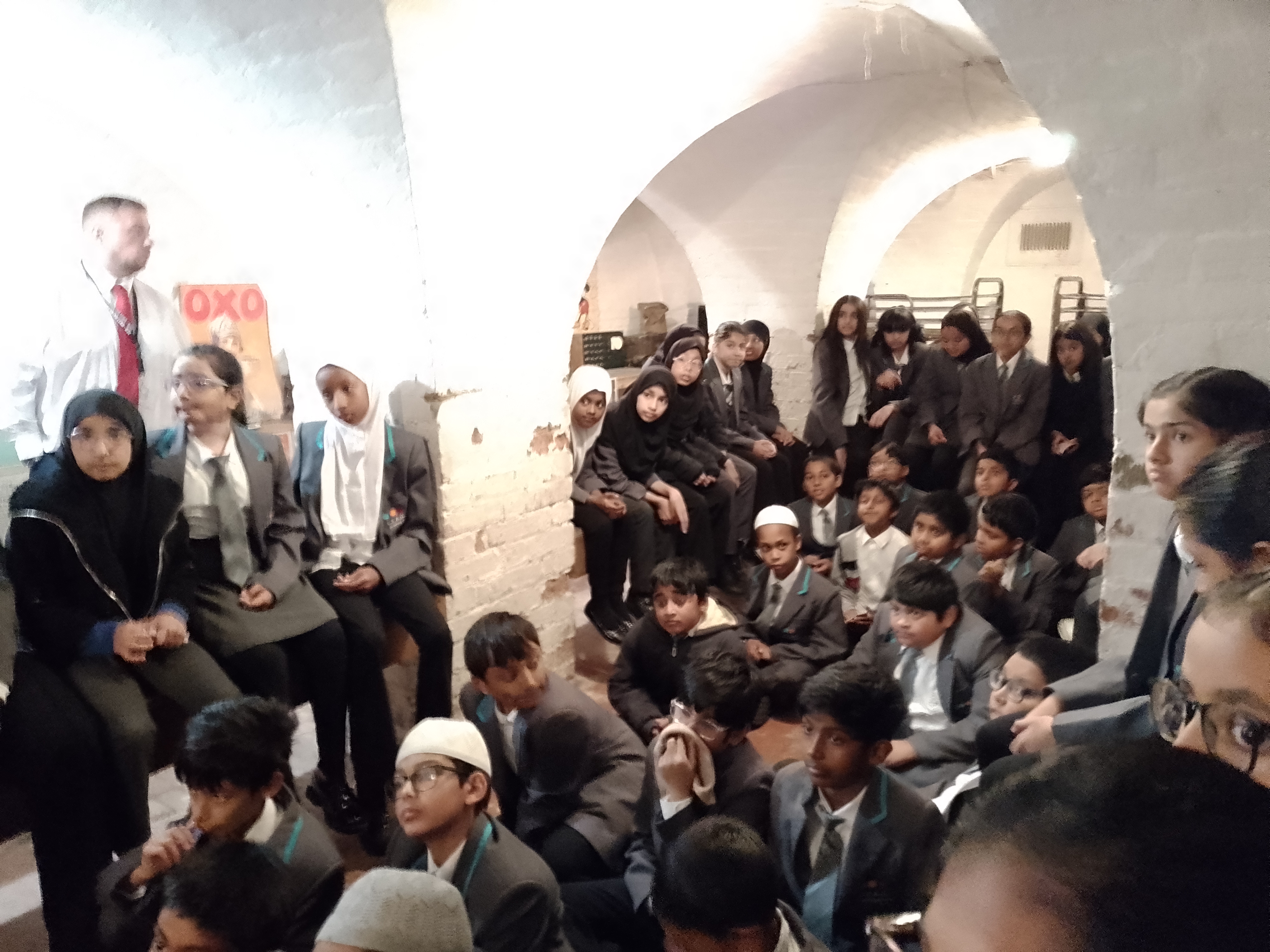
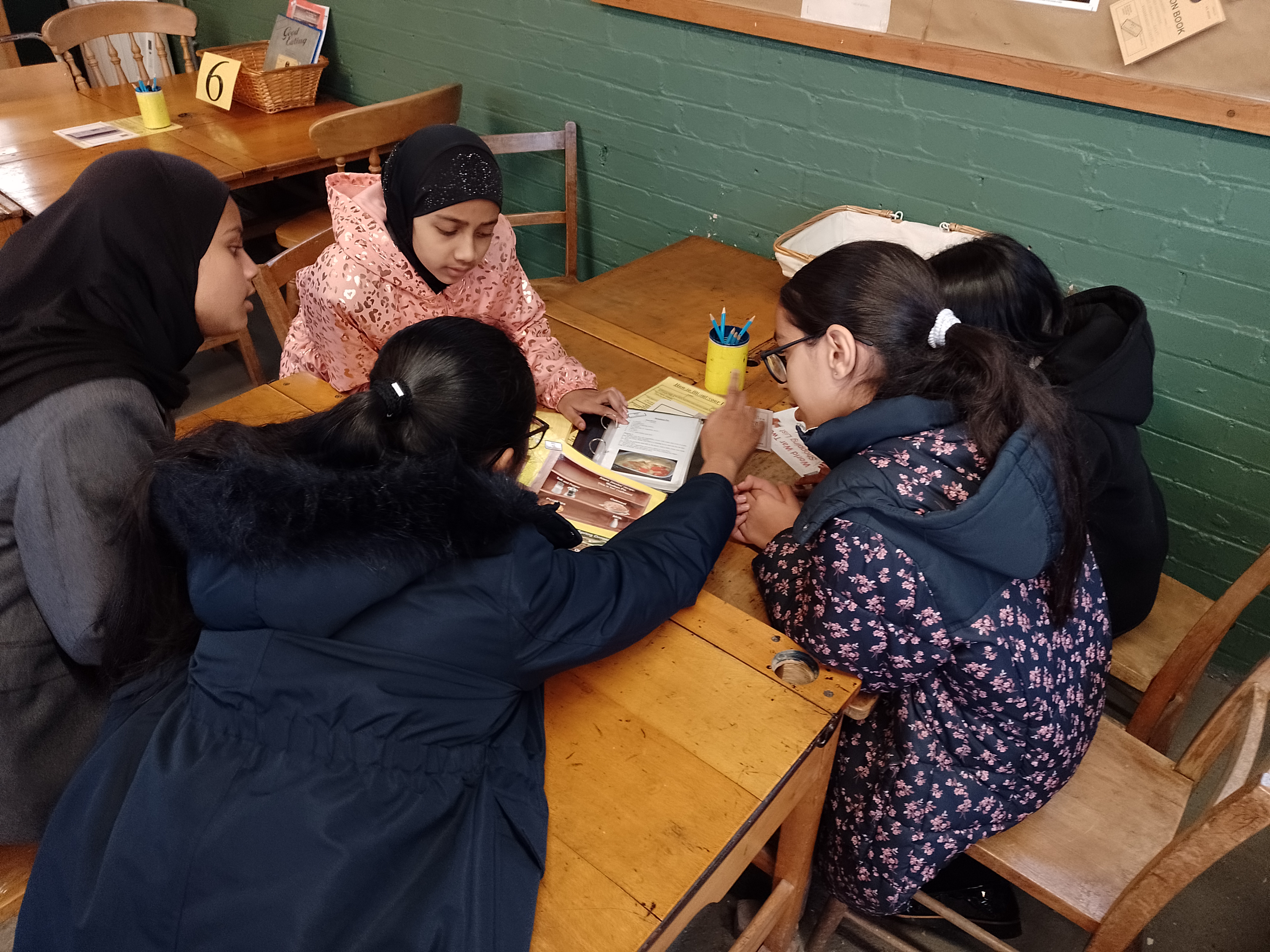
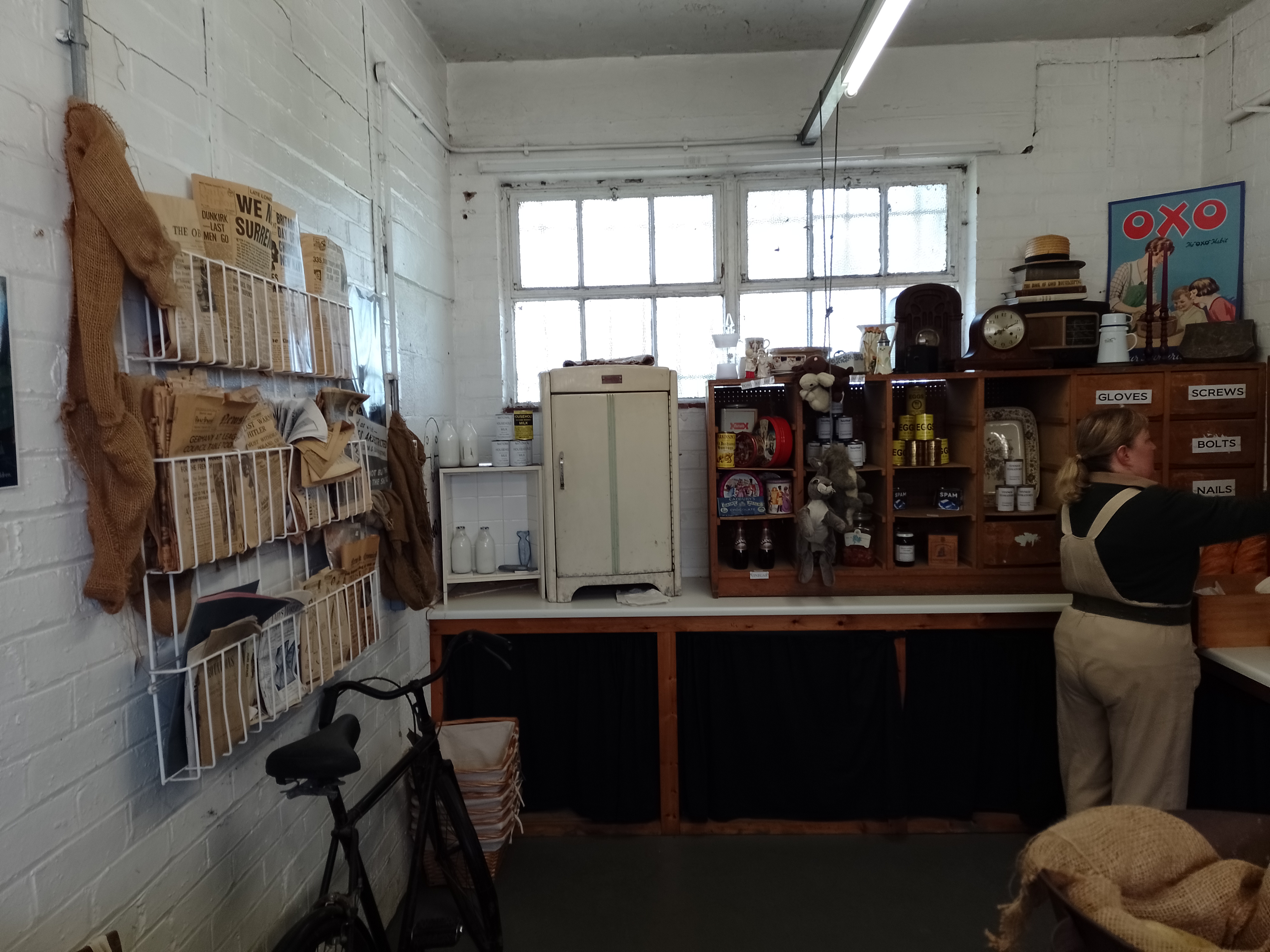
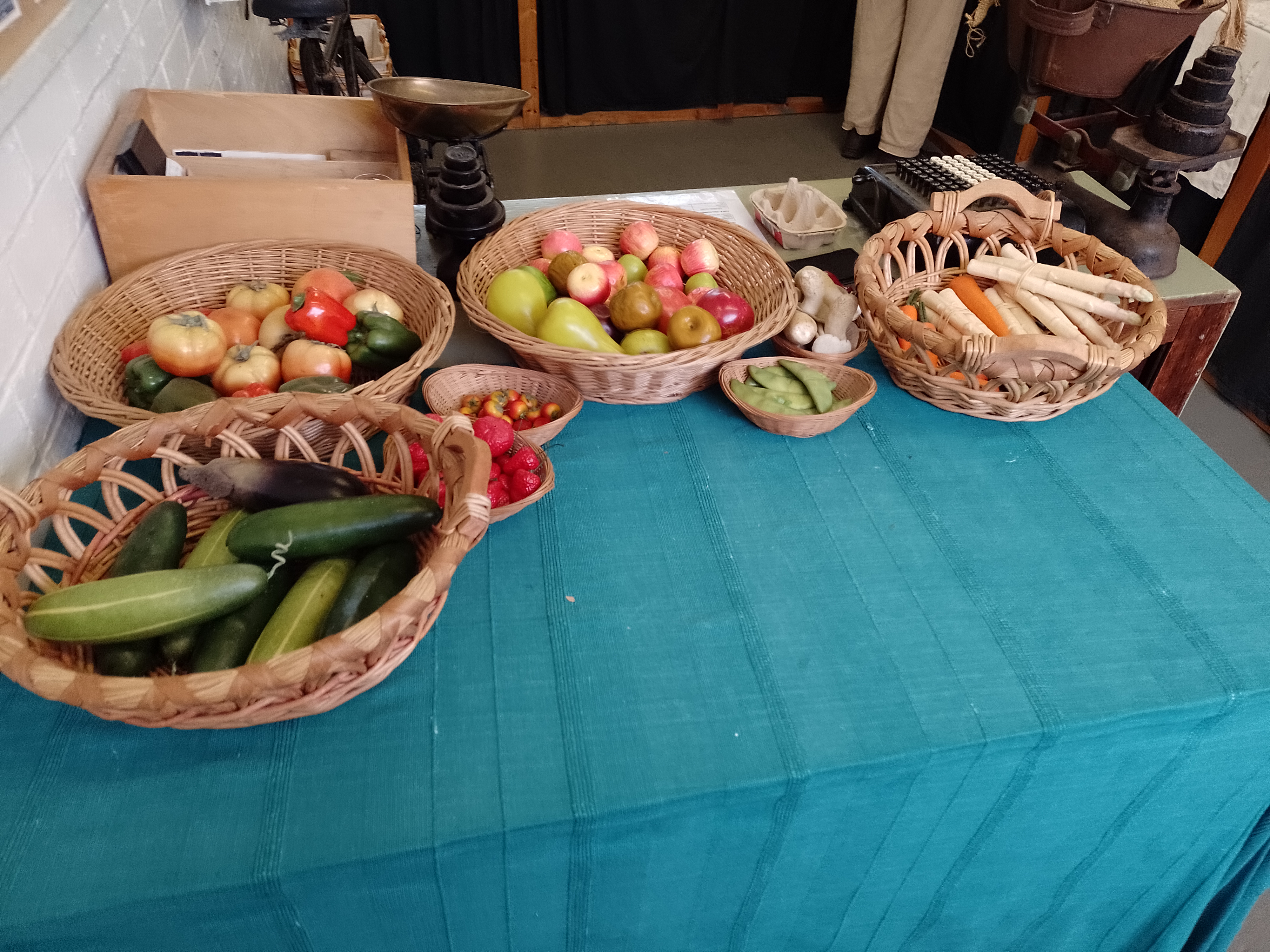
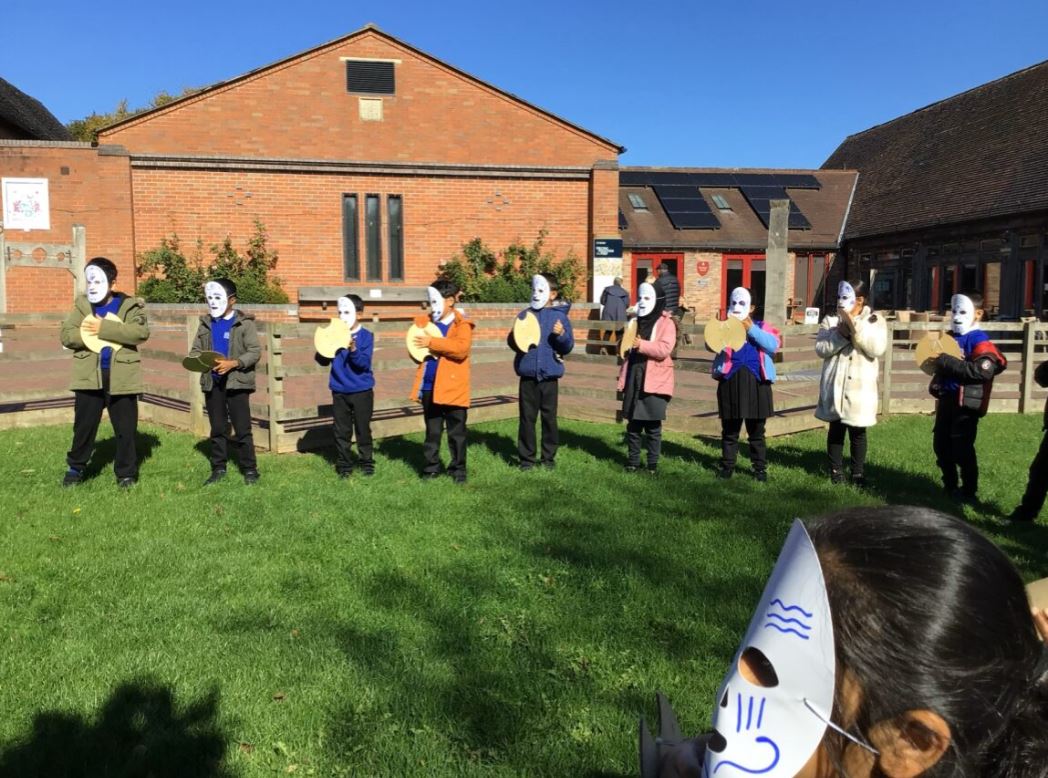
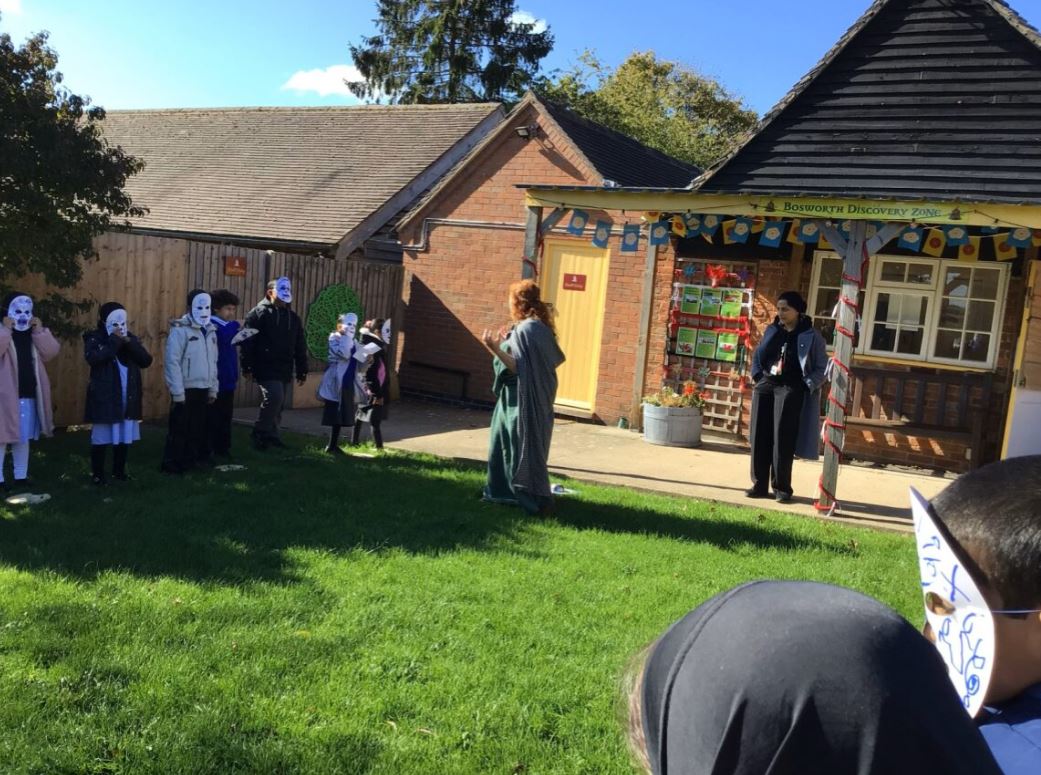
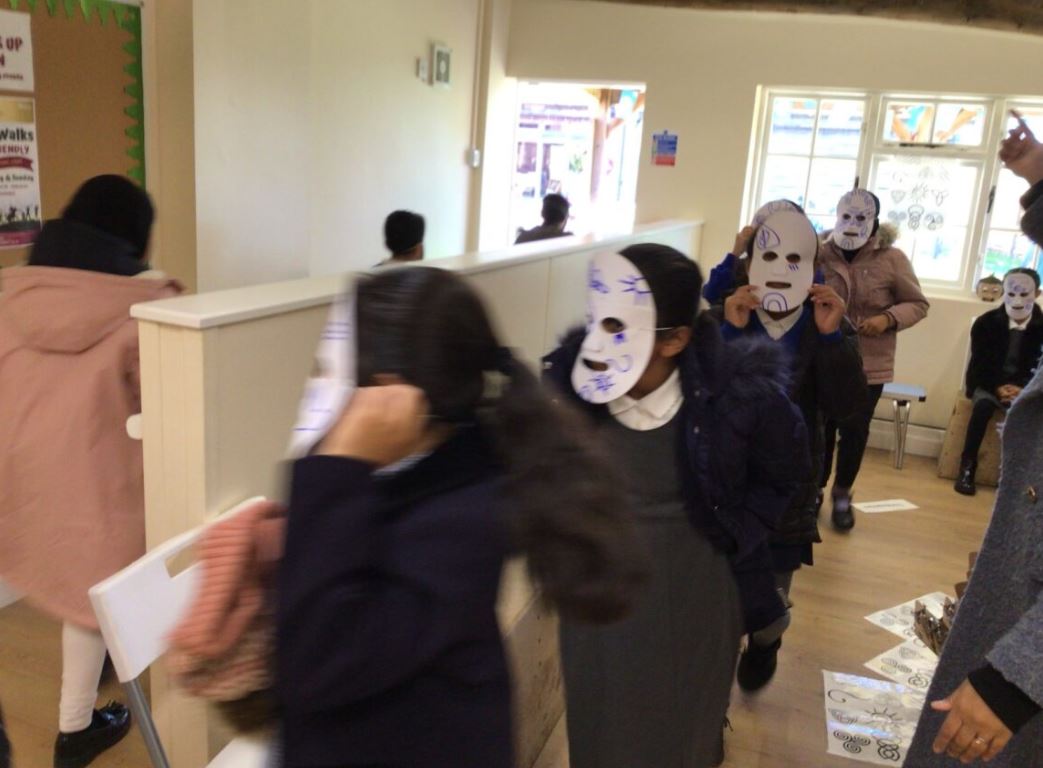
At our school, we place great importance on enriching pupils’ understanding of history through a wide range of educational visits and experiences that bring the past to life. These opportunities allow children to develop a deeper, first-hand understanding of life in Britain across different time periods. For example, Year 6 pupils visit Beaumanor Hall, where they take part in immersive activities that help them explore historical themes in a memorable and meaningful way. Similarly, Year 4 pupils visit the Roman Baths in Leicester, giving them the chance to see real historical remains and gain a clearer insight into Roman life in Britain. In addition to these organised trips, we regularly take walks around our local area, enabling children to observe and discuss how Britain’s past is reflected in their immediate environment. We also enrich learning by inviting visitors into school, such as Peter Barrett, who shares fascinating stories about his great-great-grandmother, Alice Hawkins, a significant figure in Leicester’s history and the suffragette movement. These visits and visitors play a vital role in broadening pupils’ cultural capital, deepening their historical understanding, and creating lasting learning experiences. They help children to make meaningful connections between the past and present, develop curiosity, and build a sense of identity and belonging within their local and national heritage.
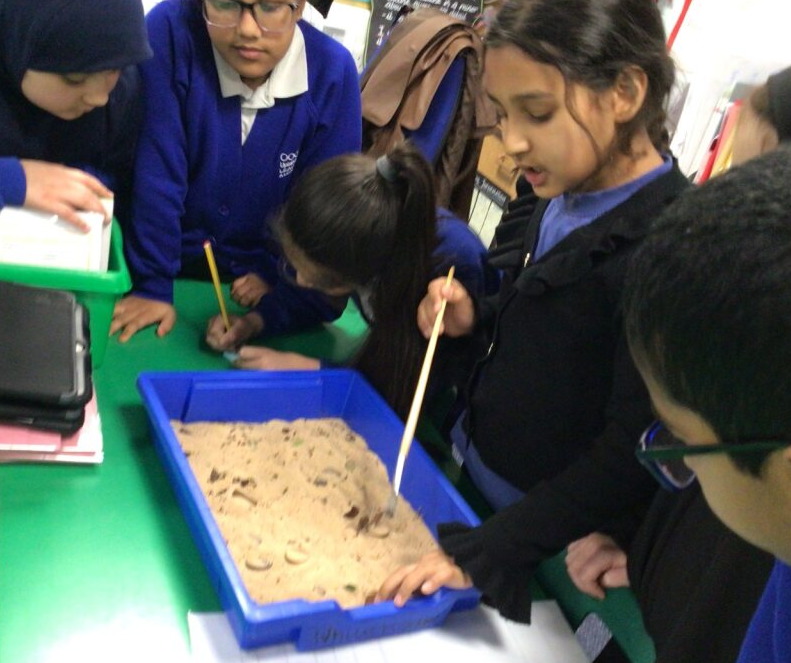
Fun Facts for Parents
Here are some of the fascinating facts your children may share with you at home:
You may find your child eager to share these facts, ask questions at home, or even take on the role of a ‘family historian’!