We welcome parents and carers to visit us so you can explore our school, meet our dedicated staff, see lessons in action, ask questions and discover why families choose Uplands L.E.A.D. Academy.
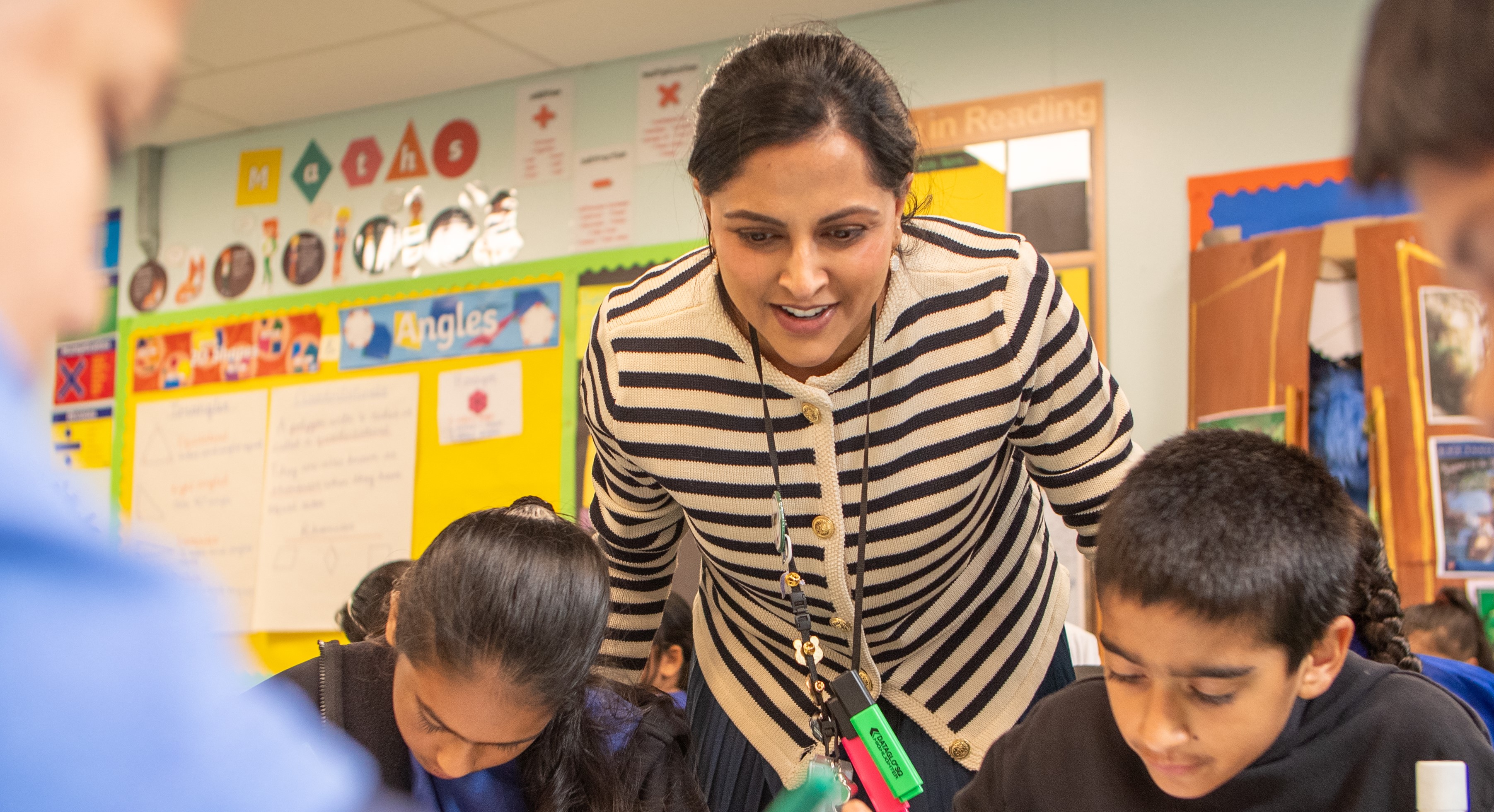
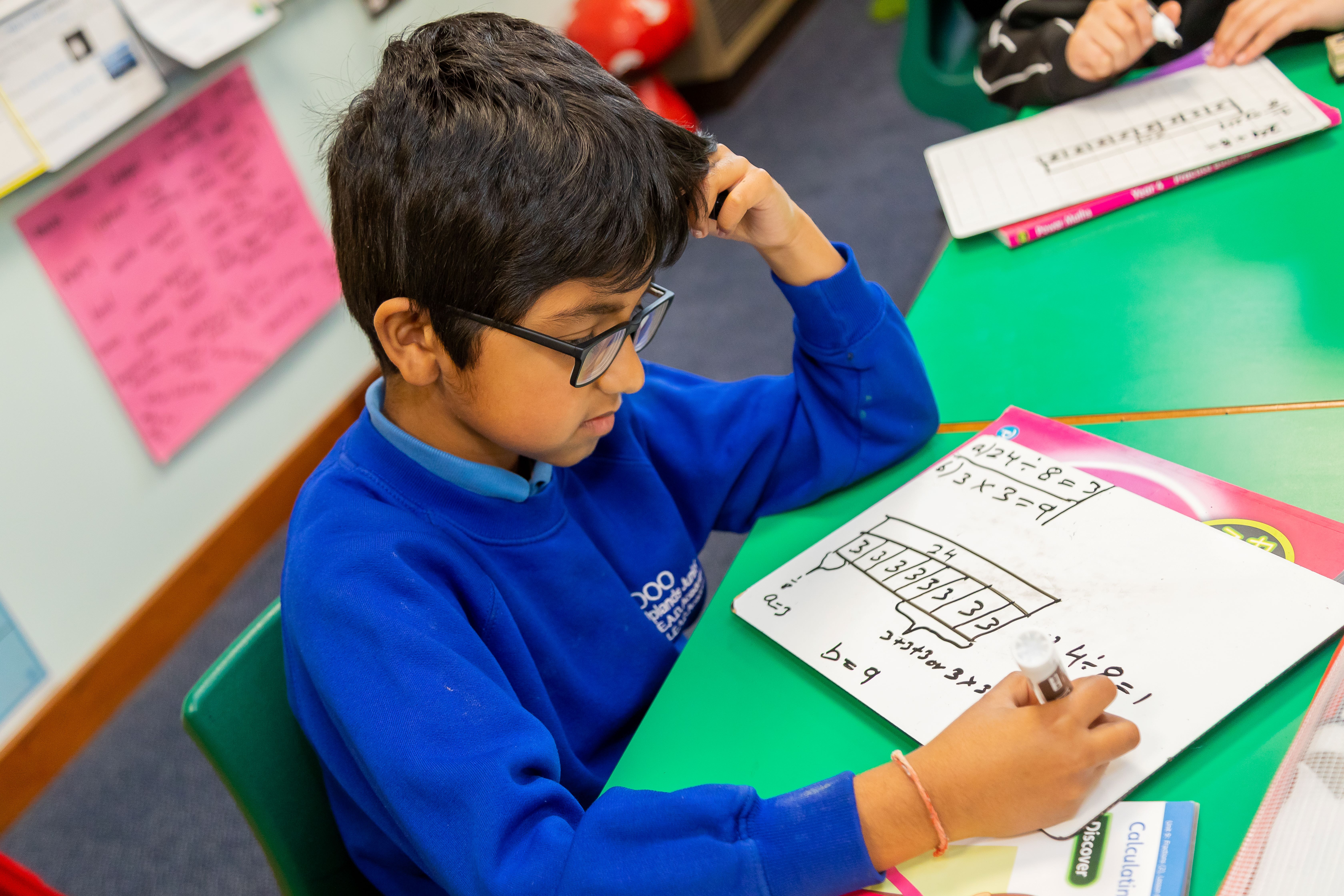
We believe that every child can achieve highly in maths when they are challenged and motivated.
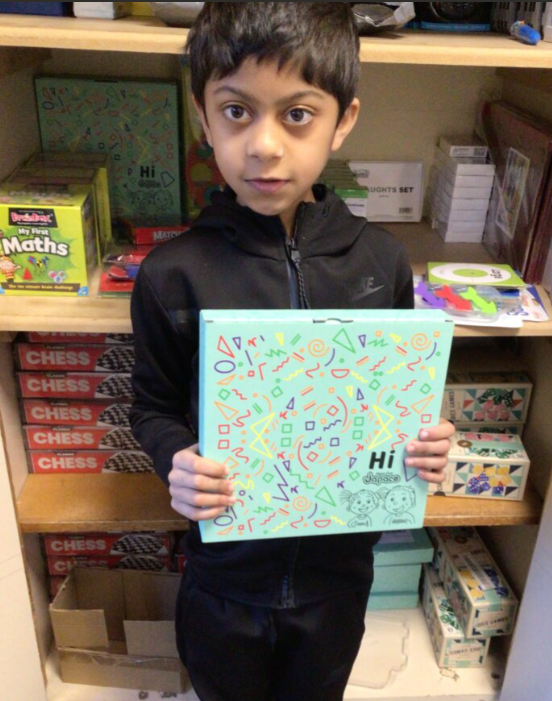
At our school, we encourage children to always aim for their best by setting high expectations and celebrating success. Through our Maths Reward Shop, pupils are rewarded for effort, progress and achievement, reinforcing a positive attitude towards learning. These incentives motivate children to challenge themselves, build confidence and take pride in doing their very best in maths.
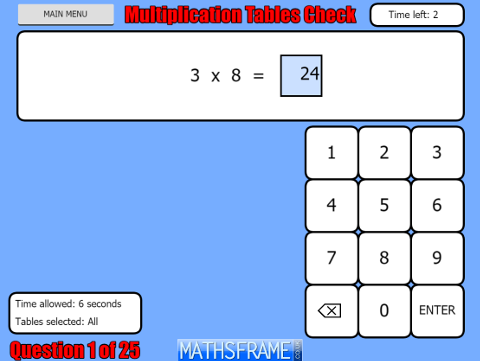
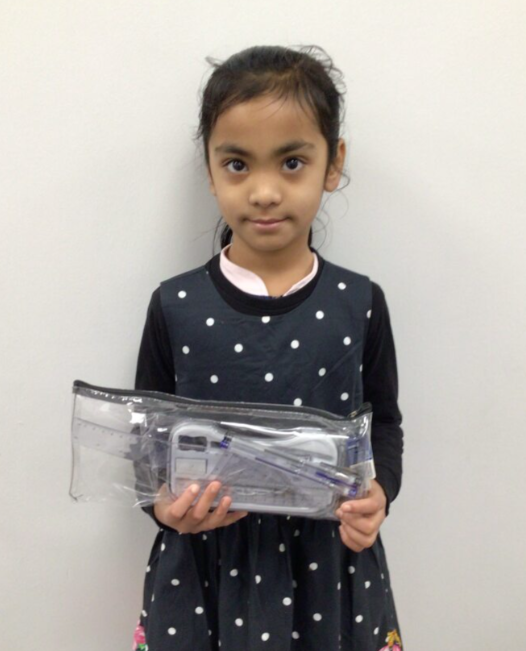
Congratulations to Zoya Nadim for achieving a score of 25/25 in her MTC (Multiplication Tables Check) ten times in a row! This incredible consistency shows outstanding fluency and confidence with her times tables. Well done, Zoya – keep up the amazing work!
Congratulations to Husain Karim in 4 Apple for achieving a perfect score of 25/25 in his MTC (Multiplication Tables Check) ten times in a row! This incredible consistency shows outstanding fluency and confidence with his times tables. Well done Husain Karim – keep up the amazing work!
We want all children to leave Year 6 ready for the challenge of Key Stage 3 and for life in Leicester as a young person.
As a school we follow the Power Maths scheme of work. Below are the overview for each year group and the lessons that will be taught in sequence.
Supporting your child’s maths learning at home can make a big difference to their confidence and progress. Here are some practical tips:
Make Maths Part of Everyday Life
Practice Times Tables
Encourage Problem-Solving
Use Online Resources
Support Year 6 SATs Preparation
Year 6 pupils receive revision guides from school. Help them plan short, focused revision sessions (15–20 minutes). Go through practice questions together and discuss strategies. Focus on arithmetic, reasoning and problem-solving.
Links:
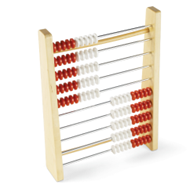
Click the link to find out more information from Amy on how to use the Rekerenks.
Interactive Rekerenks – Click here to use an online version
In Years 3 and 4, there is a maths lesson once per week with a focus on developing multiplication/division. Rekenreks are used to provide a strong concrete and visual representation of repeated addition and number sense.
A rekenrek is a math tool designed to help young learners develop number sense and understand basic arithmetic concepts like addition, subtraction, and place value. It’s widely used in early education, especially for teaching numbers up to 100.
What is a Rekenrek?
Purpose in Math:
How to Use a Rekenrek: counting and number recognition
For example, slide 7 beads: children see 5 red + 2 white = 7.
Addition
To show 6 + 3:
Slide 6 beads first.
Then slide 3 more.
Count total beads (or recognize 5 + 4 = 9).
Subtraction
Building Number Sense:
Ask: “How many more to make 10?”
Example: If 7 beads are moved, students see 3 beads remain.
Skip Counting:
Move beads in groups of 5 or 10 to practice multiples.
In Years 5/6, there is a maths lesson once per week with a focus on arithmetic. Each lesson has a particular focus that the teacher demonstrates before children are given the opportunity to practise.
Click on the links to download some examples of the arithmetic papers we use.

Children are encouraged to practise on the Times Tables Rock Stars platform at home. We encourage children to practise for ten minutes at home each day. The ‘Battle of the Bands’ competition is used to reward classes with the highest average correct answers each week. Teachers use the ‘set the tables’ function on TTRS to ensure that children in their class can access appropriate tables questions in the ‘Garage’ mode.

What is Sumdog and How Does It Help Your Child?
Sumdog is an engaging online learning platform designed to make maths, spelling, and grammar fun for children in primary schools. It uses interactive games and activities to help children practise key skills at their own level, building confidence and enjoyment in learning.
How it works:
Why we use Sumdog:
Weekly Focus Lessons:
Years 3 & 4: Extra lesson each week focused on multiplication and division using concrete resources like rekenreks.
Years 5 & 6: Extra lesson each week focused on arithmetic skills with teacher modelling and practice papers.
Year 6 Maths Boosters:
Additional booster sessions to prepare pupils for SATs.
Focus on problem-solving, reasoning, and test techniques.
Delivered in small groups for targeted support.
Times Tables Practice:
Daily practice encouraged via Times Tables Rock Stars and Sumdog.
Sumdog competitions to motivate engagement.
Assessment & Adjustment:
Same-day interventions for pupils needing extra help.
The calculation methods that we teach children are taken from Power Maths. Please click the links below for more information:
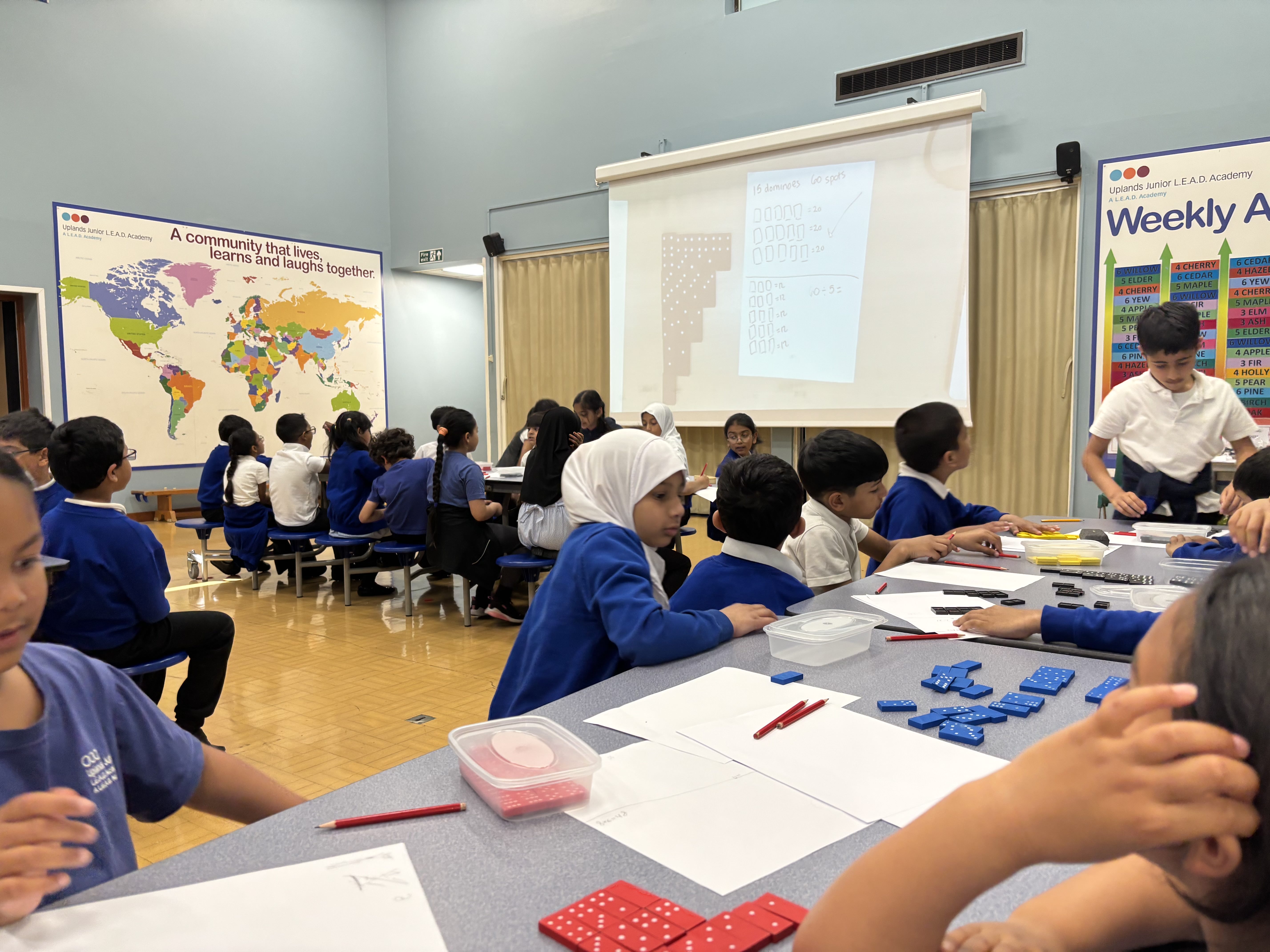
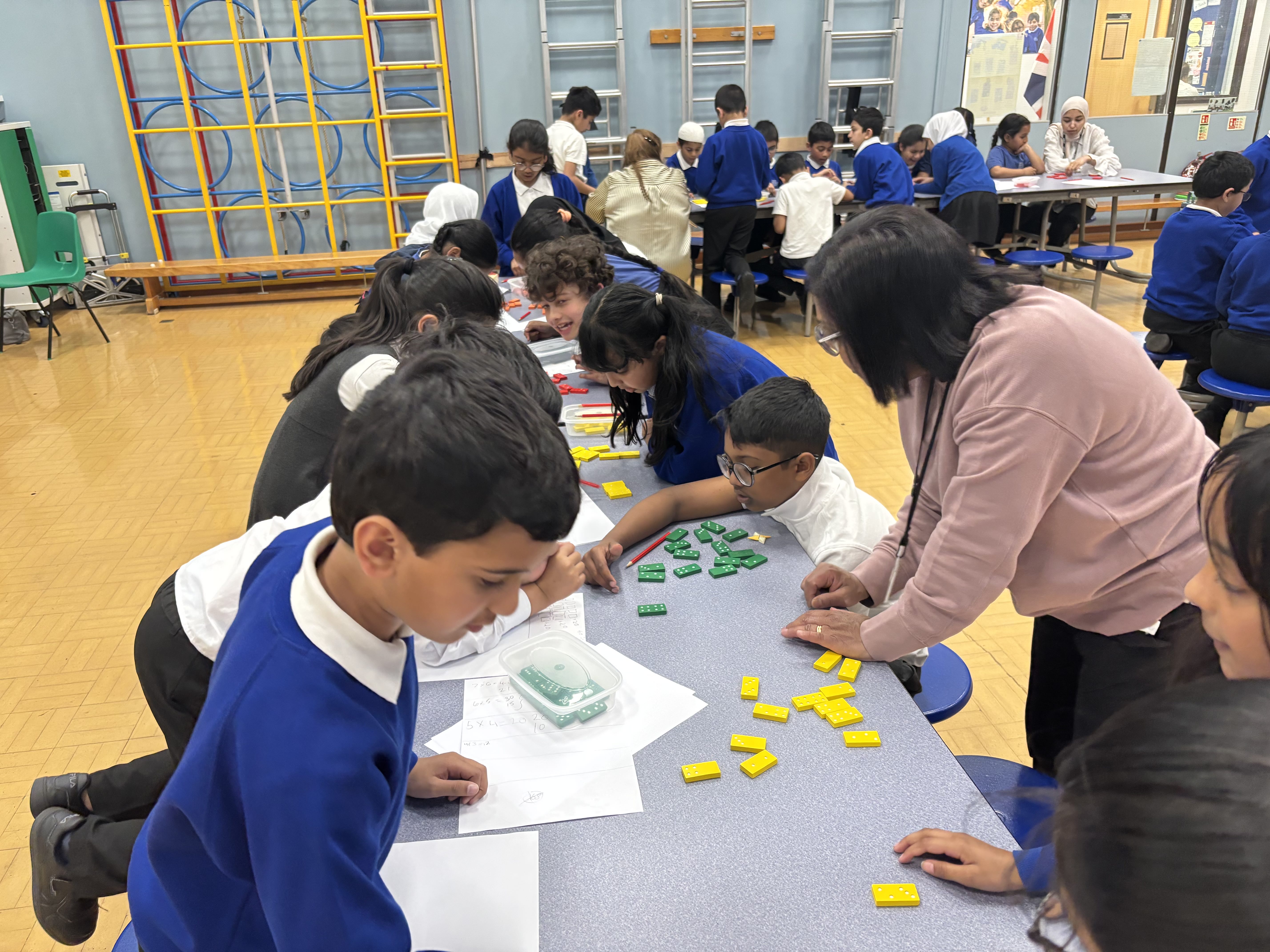
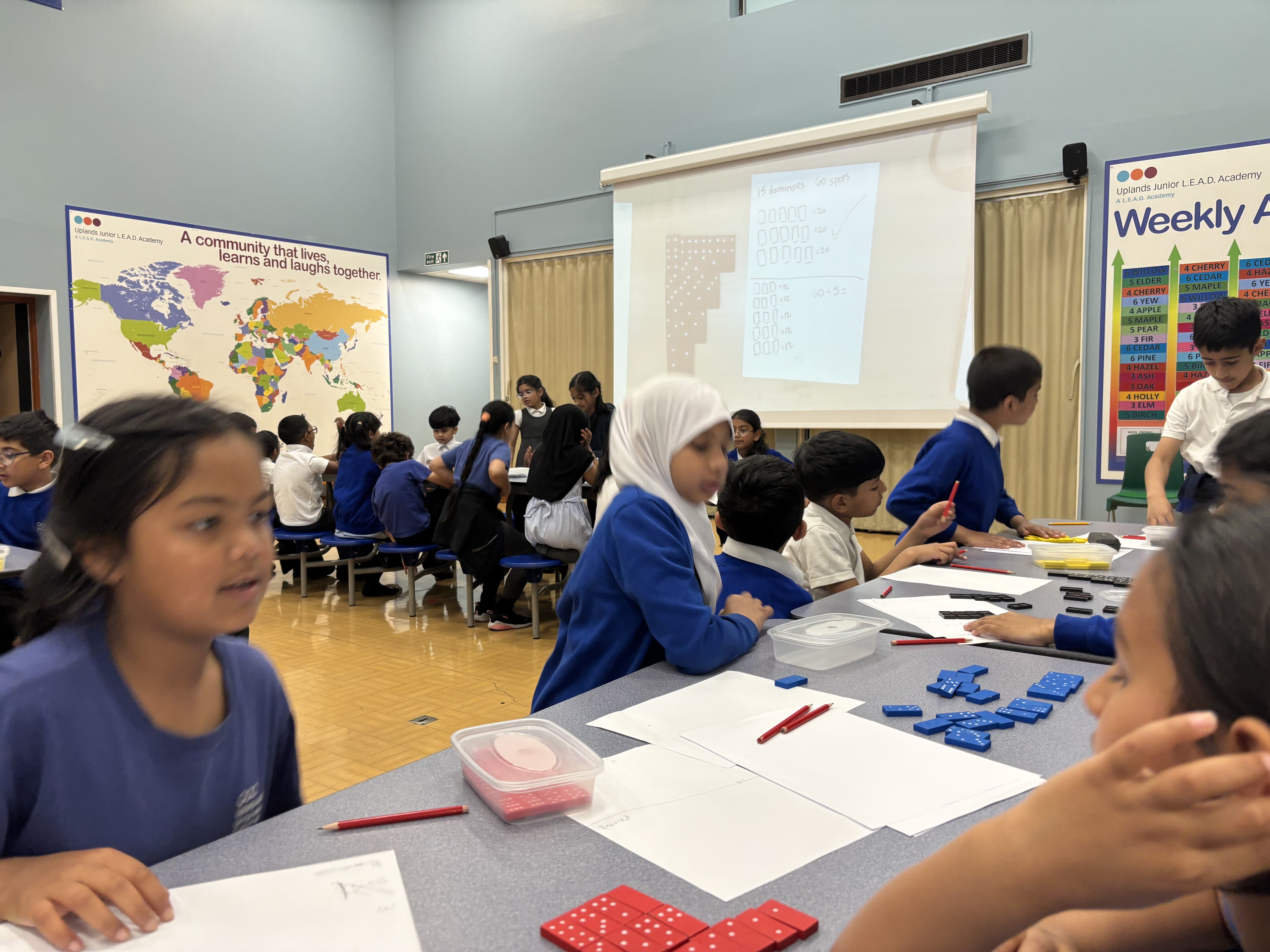
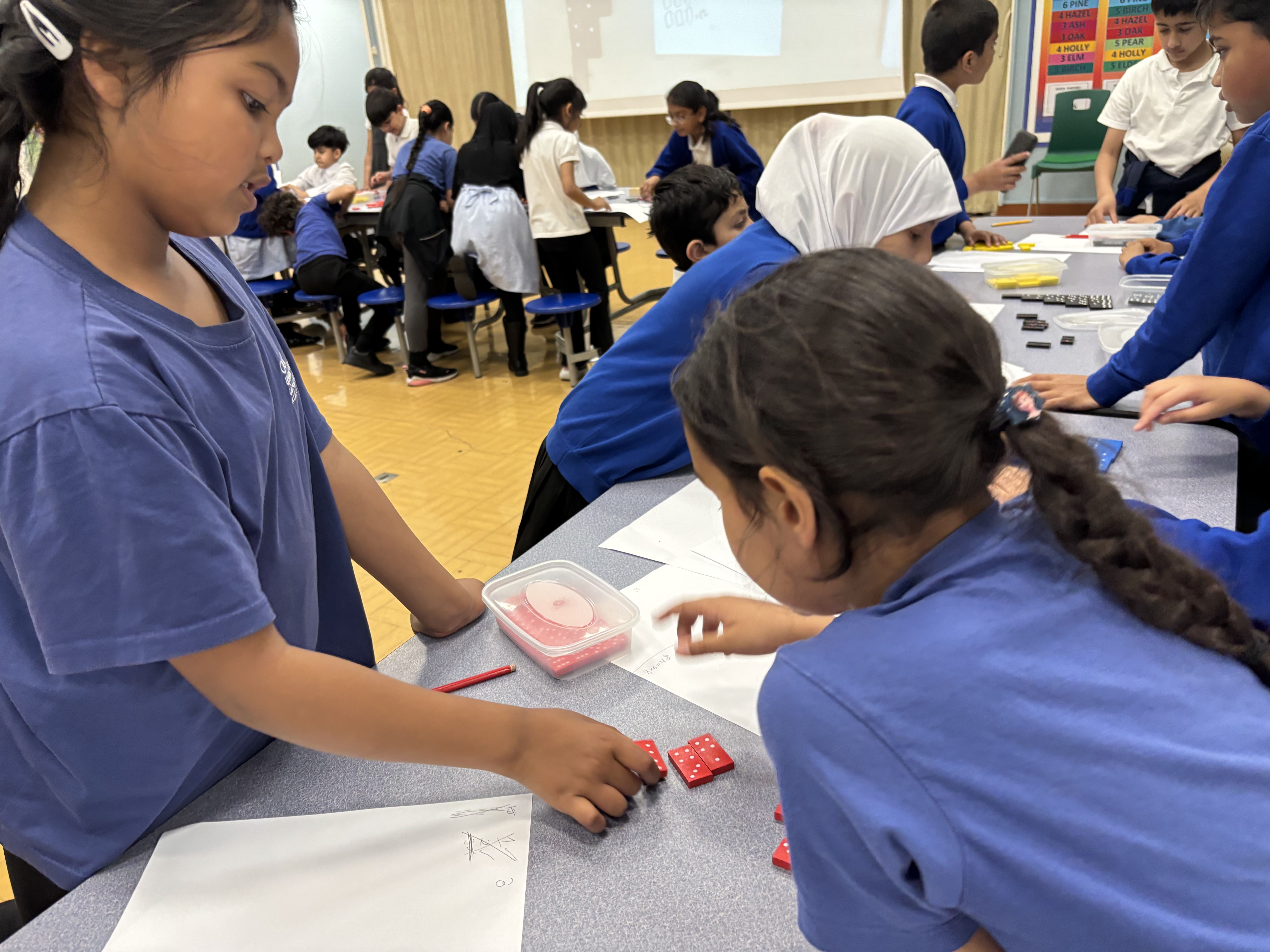
We always strive to provide additional challenge to our higher attaining children across all year groups. Children have been given the chance to take part in a range of tasks at various different times that use a range of manipulatives including playing cards, dominoes and pieces of paper. They were tasked with the job of completing a maths investigation using these manipulative and were always given a challenge. The children enjoy these sessions and when asked gave us these responses.
I liked the part where we got to make things with cards.
I prefer this session because I get to use objects to solve the questions.
We are really enjoying it. We love all of the activities.
They worked really well in pairs and small groups and enjoyed the challenges. Using the manipulatives and concrete resources really helps the children to gain a better understanding of the maths problems.
Children at Uplands have the opportunity to work collaboratively with other gifted mathematicians through the Aim High Programme.
Maths Roadshow
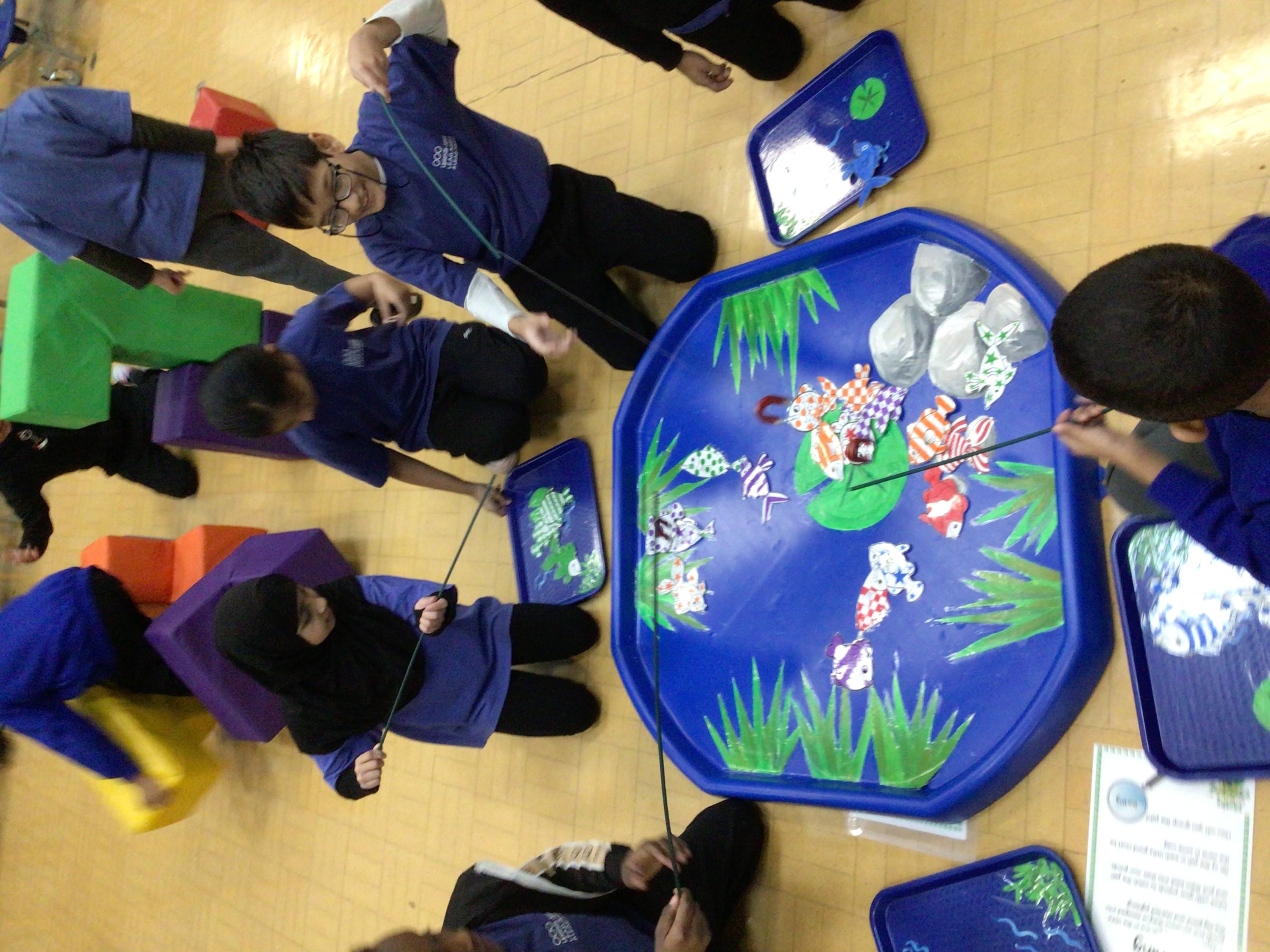
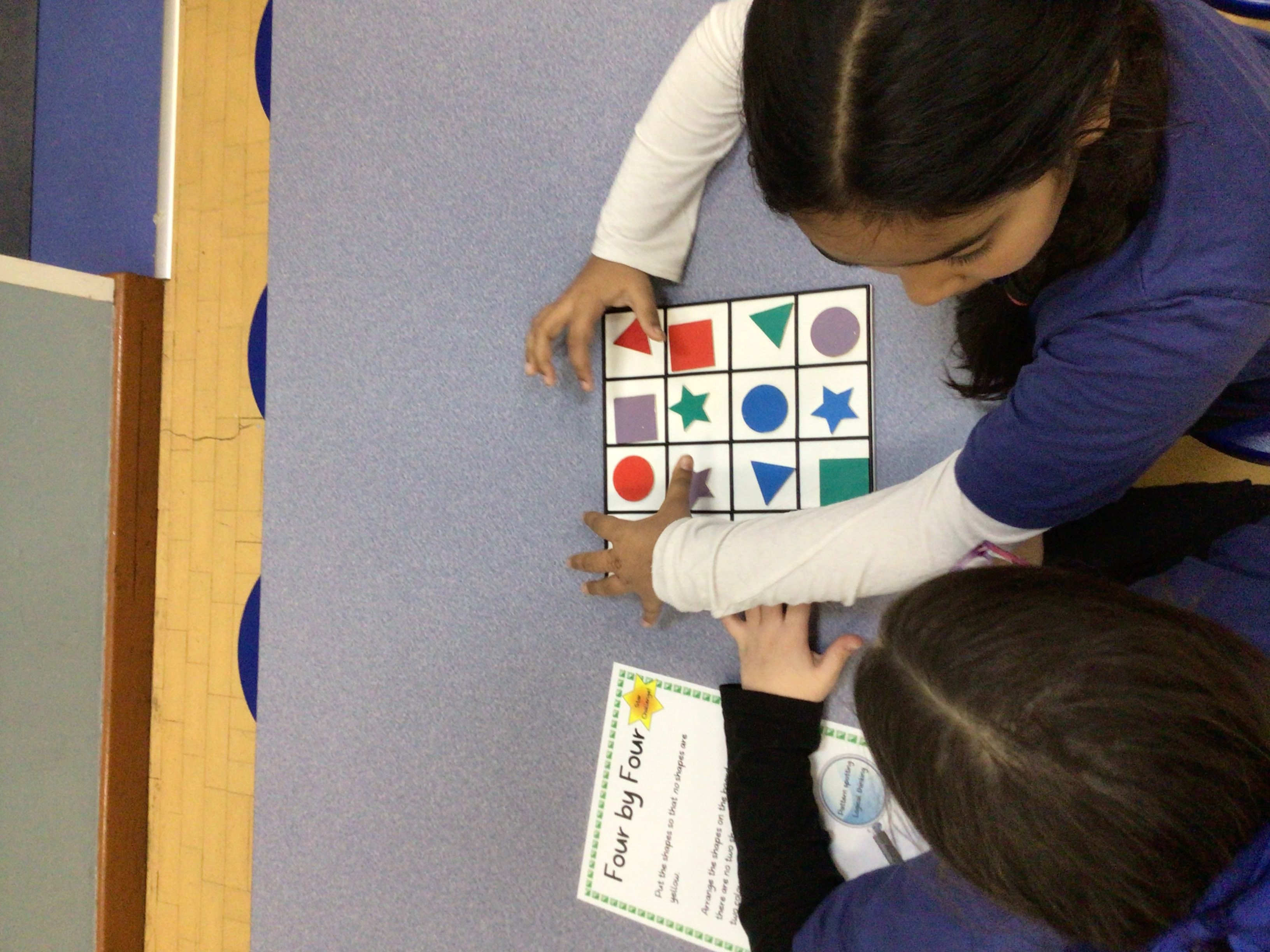
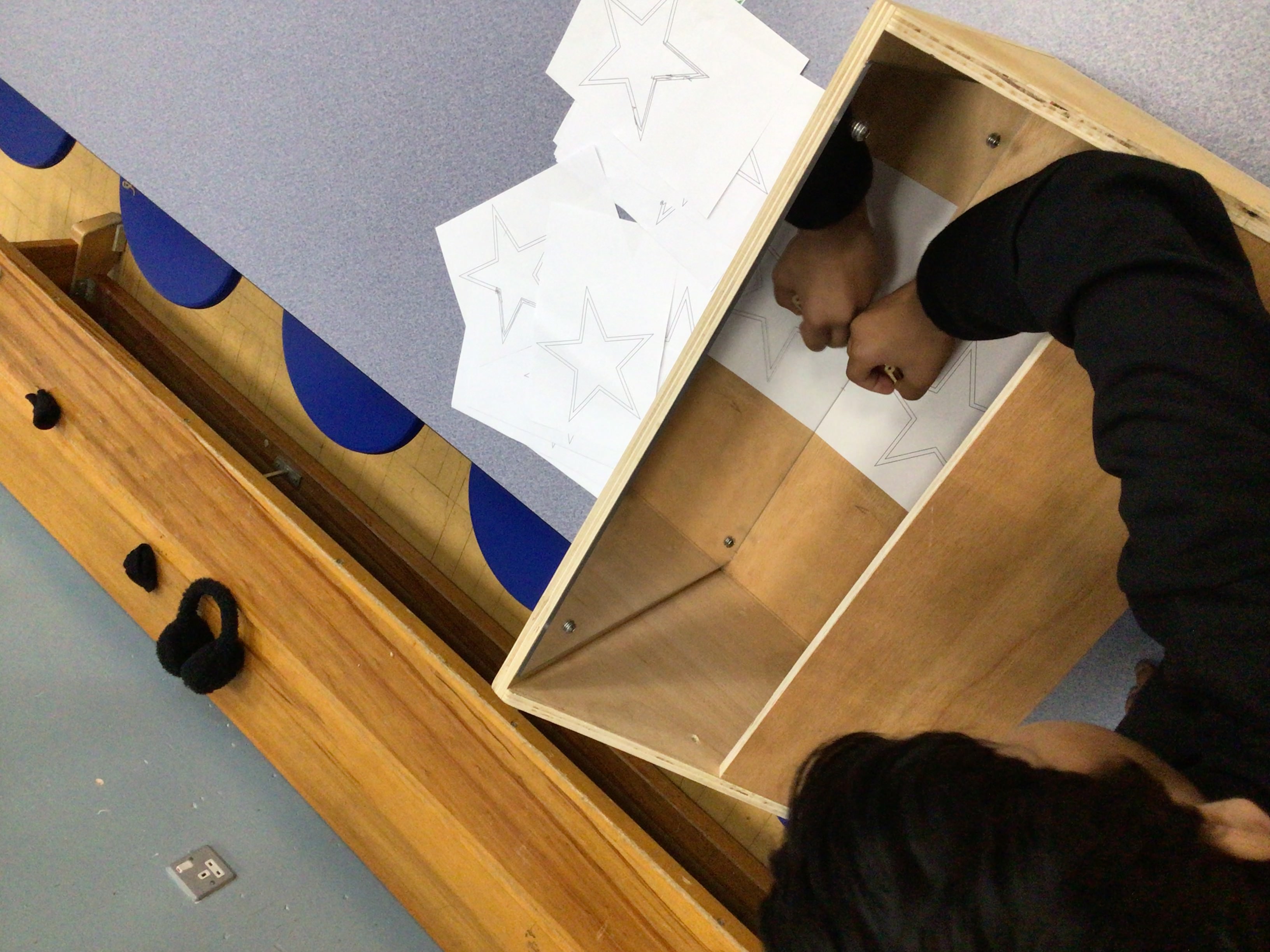
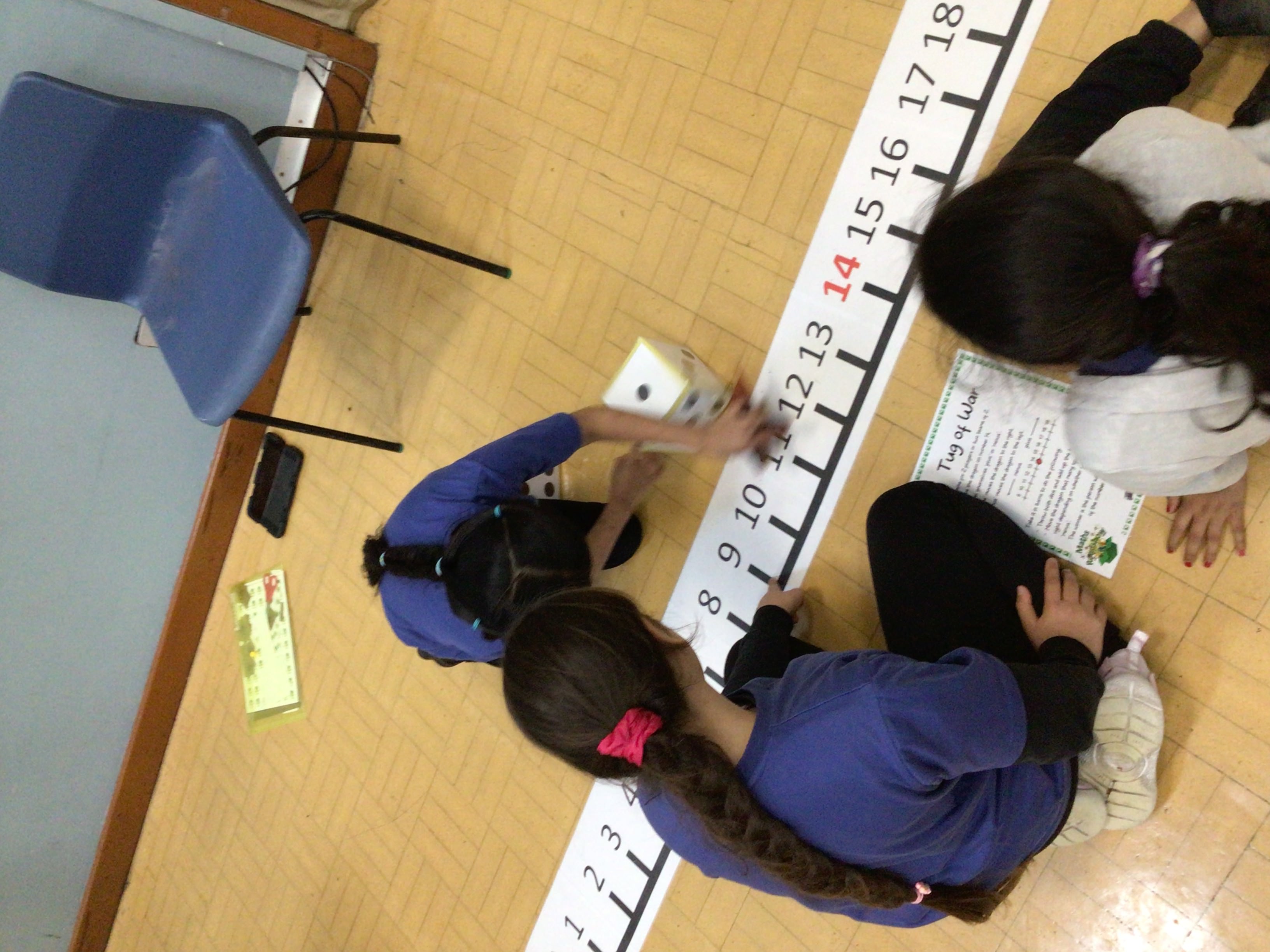
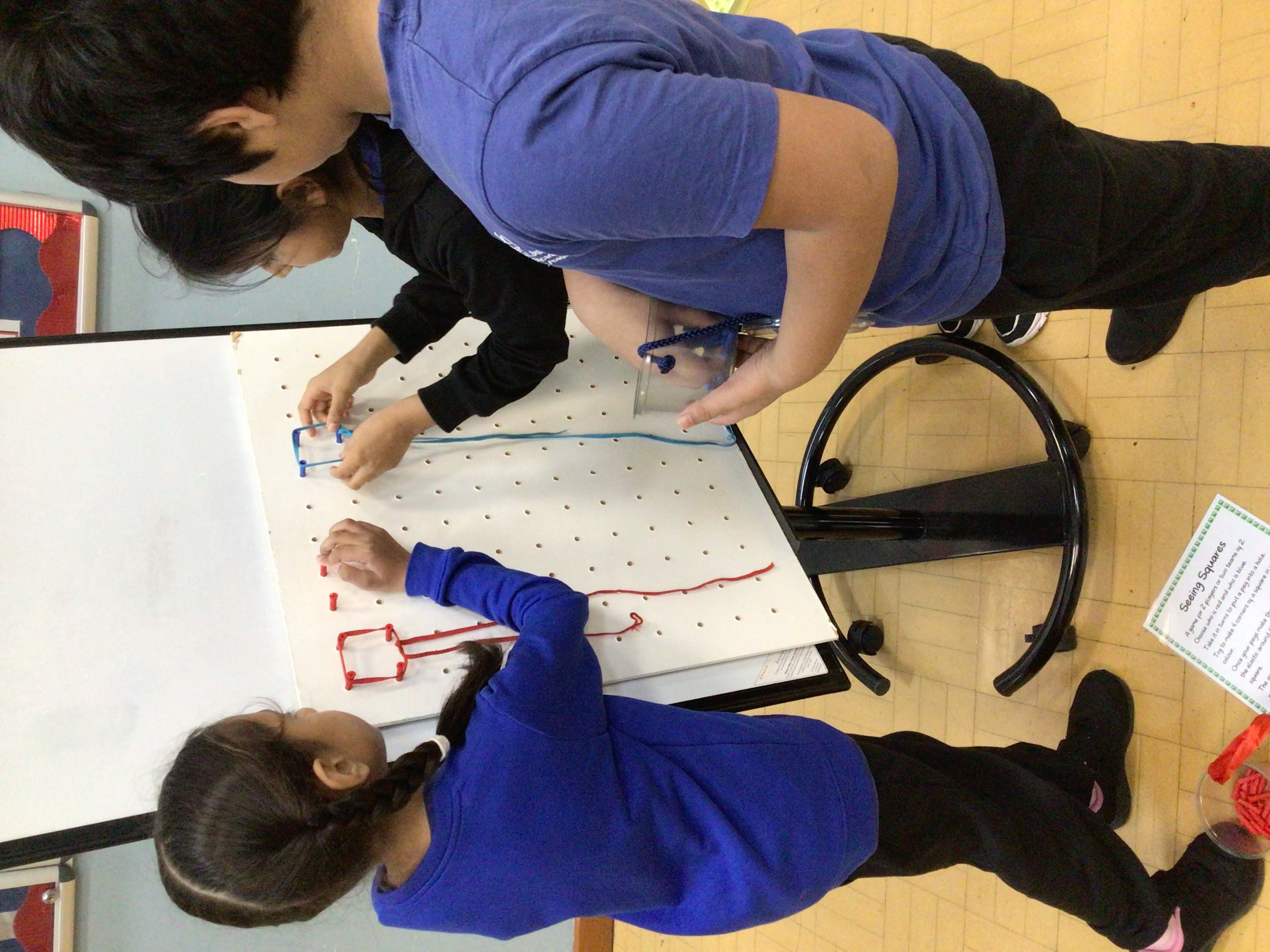
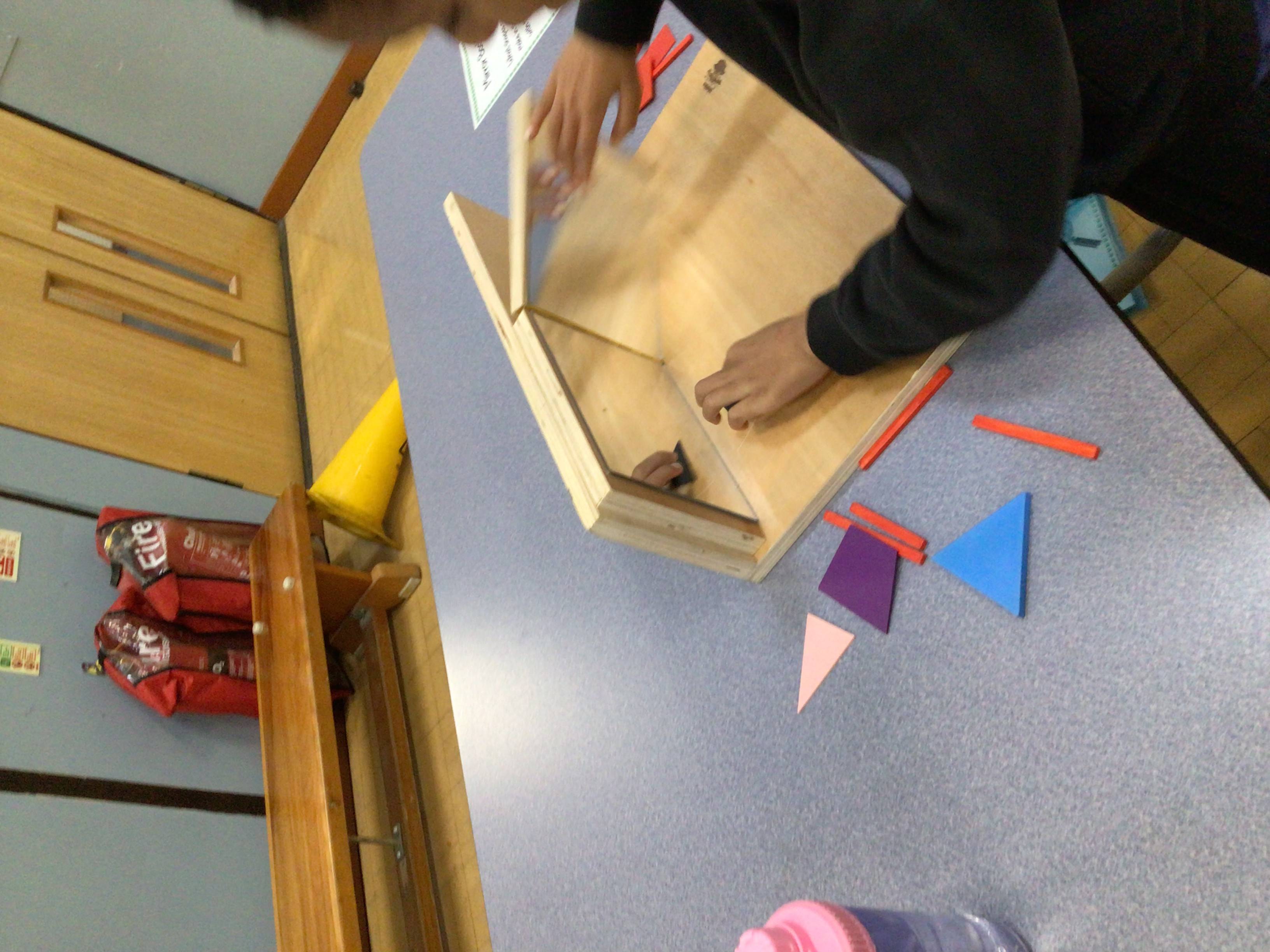
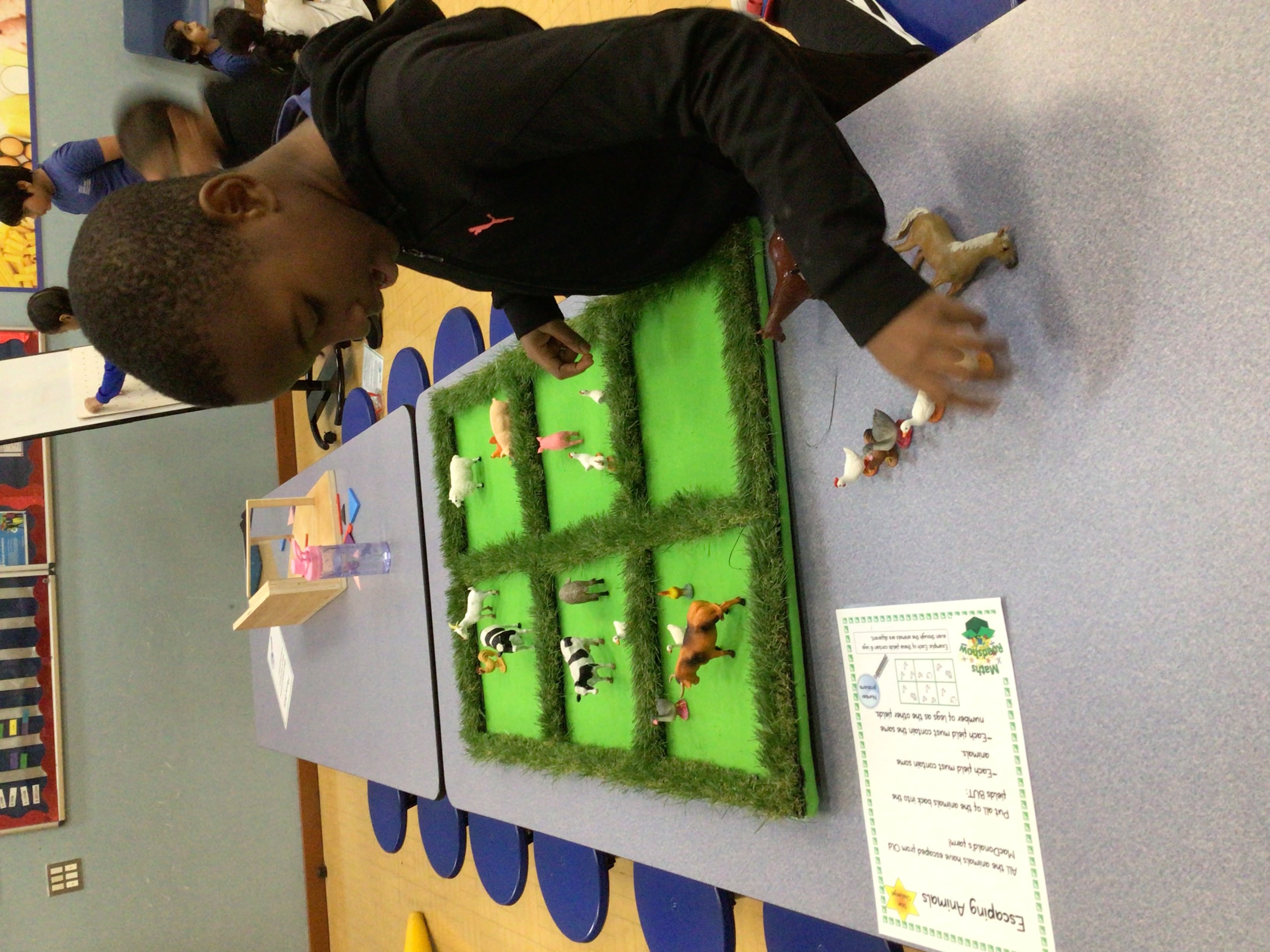
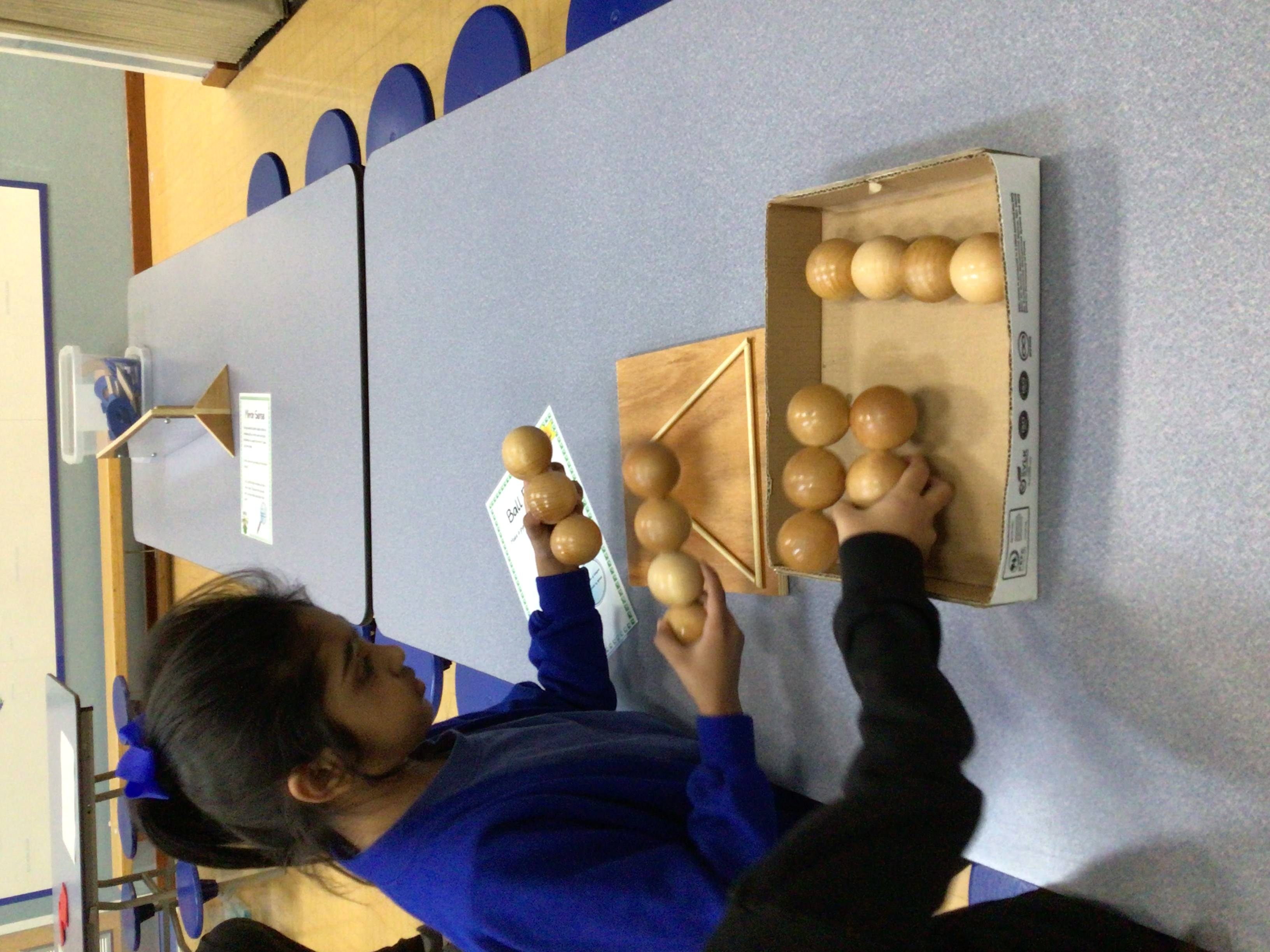
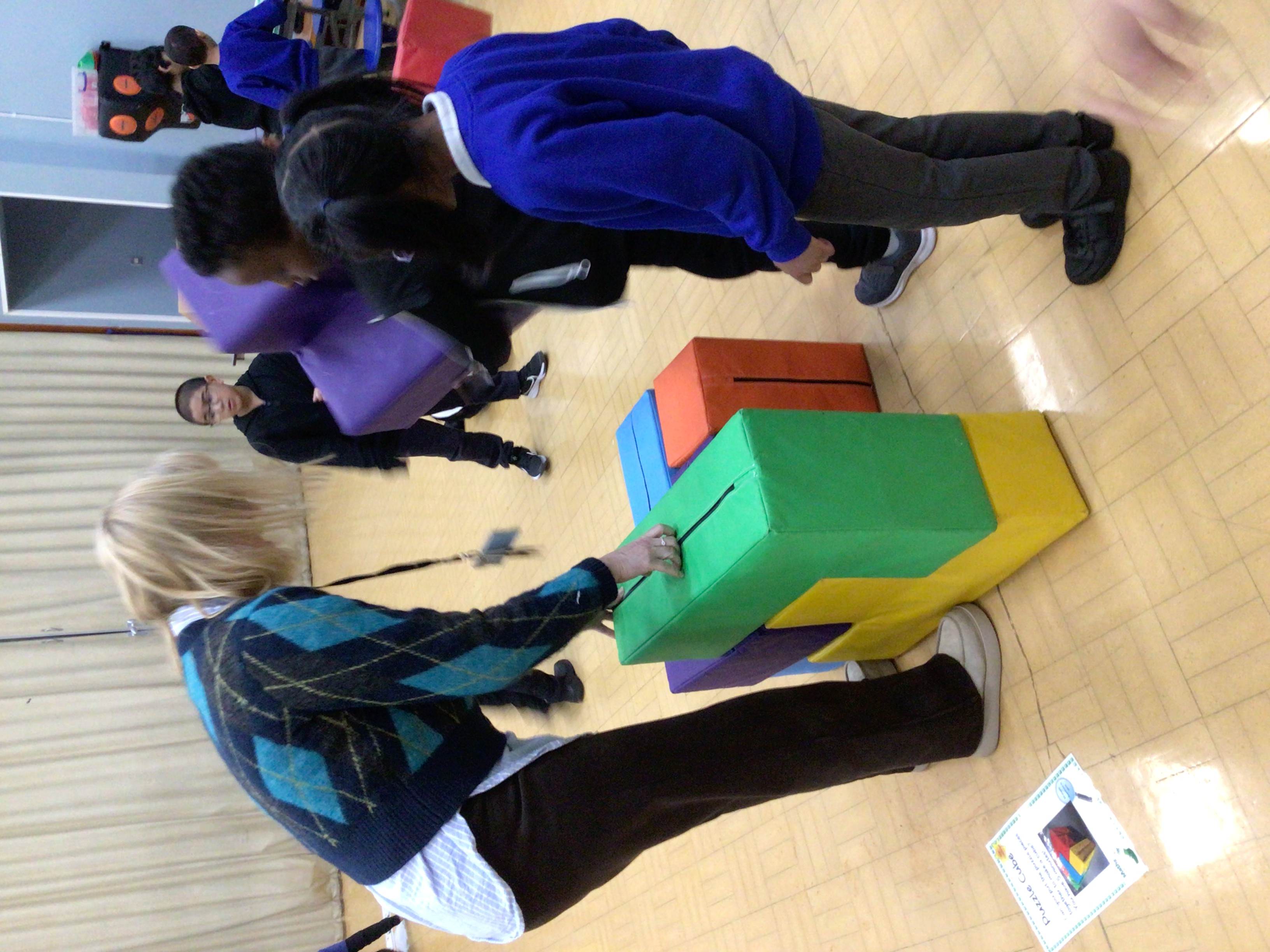
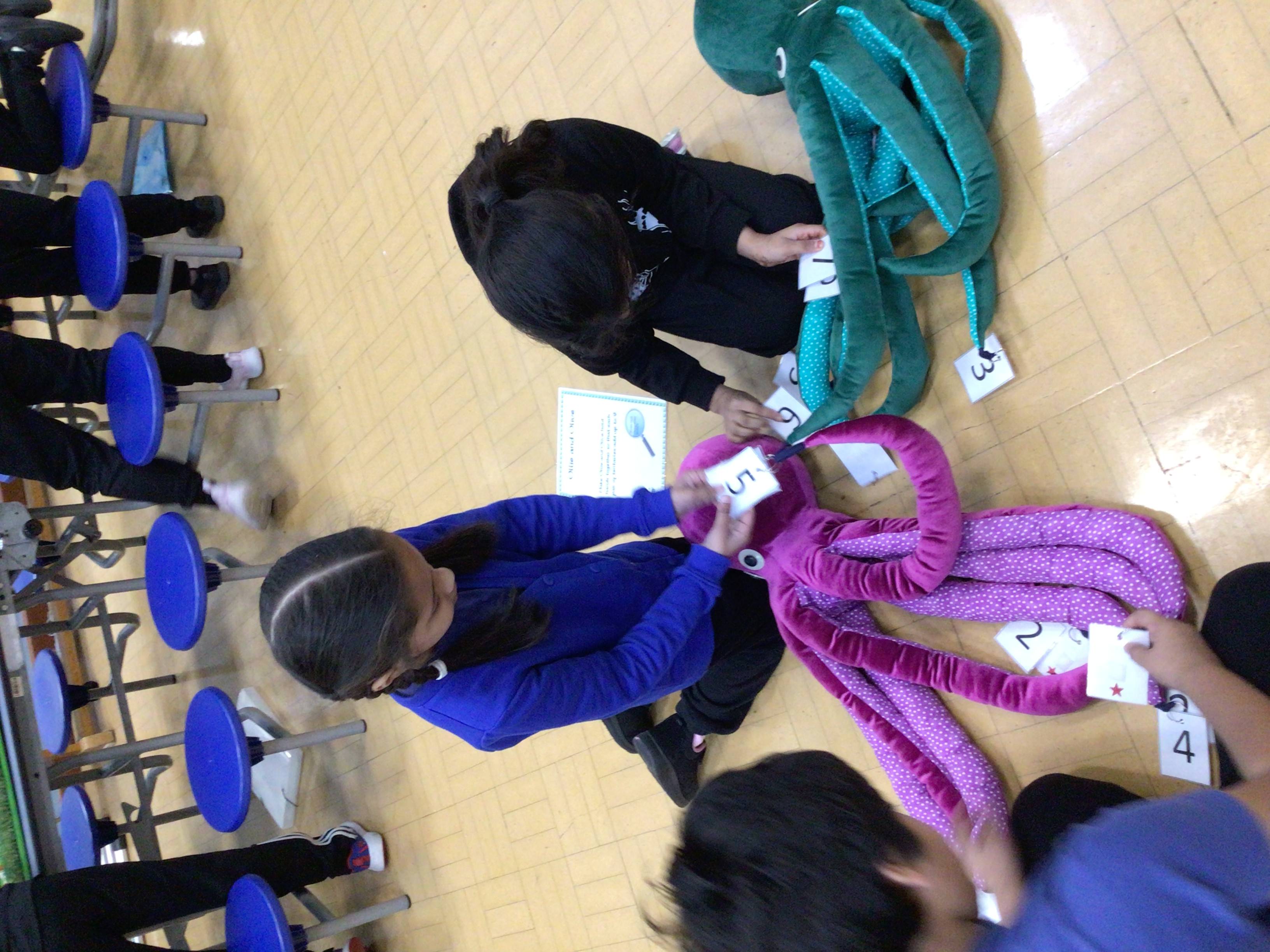
We often invite maths specialists to work with our pupils, providing exciting opportunities to explore mathematics in a hands-on and engaging way. The sessions include a variety of interactive activities designed to encourage problem-solving, teamwork and creativity.
Children take part in challenges such as sorting animals into groups, creating geometric patterns on pegboards, solving number bond puzzles, exploring symmetry with mirrors and constructing 3D shapes. These experiences help pupils build confidence and curiosity while enjoying practical maths.
“I like it, the teacher spoke nicely and I can see my daughter working well.”
“The teaching is very good, the children enjoy their lesson and learning. I would like more of these sessions.”
“Great workshop, I learned as well.”
“Very helpful and very nice.”
“I found this maths workshop very useful and Mrs Shaukat explained it in an interesting way.”
“We loved to come to this type of workshop, we get more information about children’ learning so we can teach them more at home.”
“It was very interesting and helpful to know the method. Healthy, happy and energetic classroom. I hope to attend more sessions like this.”
“We would like more interactions with the teachers and parents.”